
 CAD
CAD
Choosing Between Full Frame and Crop Sensor for Underwater Photography
When it comes to underwater photography, selecting the right camera can significantly impact the quality and versatility of your shots. One of the primary decisions you’ll face is whether to opt for a full-frame or crop sensor camera. Both options have their strengths and considerations, so let’s dive into the factors you should weigh before making your choice.
Understanding the Basics: Full Frame vs. Crop Sensor
Full-Frame Cameras: A full-frame camera has a sensor size that closely resembles the dimensions of a 35mm film frame. This larger sensor allows for greater light sensitivity, depth of field control, and improved image quality. Full-frame cameras excel in capturing more detail, especially in low-light conditions.
Crop Sensor Cameras: Also known as APS-C or DX sensors, crop sensor cameras have a smaller sensor size than full-frame models. As a result, they offer a “crop factor,” which effectively magnifies the field of view. While this can limit some light-gathering capabilities, crop sensor cameras are generally more affordable and compact.
Advantages of Full-Frame Cameras for Underwater Photography
- Image Quality: Full-frame cameras capture more detail and offer better dynamic range, especially in challenging lighting conditions underwater. This results in sharper, more vibrant images with enhanced color accuracy.
- Low Light Performance: The larger sensor size of full-frame cameras allows them to excel in low-light environments. Underwater scenes often lack abundant natural light, making full-frame cameras a top choice for capturing clear, noise-free shots.
- Shallow Depth of Field: Full-frame sensors enable you to achieve a shallower depth of field, ideal for isolating subjects from their surroundings and creating striking bokeh effects.
Considerations for Crop Sensor Cameras
- Affordability: Crop sensor cameras are generally more budget-friendly, making them an attractive option for photographers who want to enter the underwater photography realm without breaking the bank.
- Portability: The smaller size of crop sensor cameras makes them easier to handle and transport, an important factor for underwater enthusiasts who are conscious of weight and space limitations.
- Reach Advantage: The crop factor of these cameras provides a natural zoom effect, which can be advantageous for underwater wildlife photography. It allows you to get closer to your subjects without needing a specialized telephoto lens. You can also usually use less expensive lenses like the Tokina 10-17mm which is made for a crop sensor.
Making Your Choice: What’s Right for You?
The decision between a full-frame and crop sensor camera ultimately depends on your goals, budget, and shooting preferences. If you’re passionate about achieving the highest image quality, capturing breathtaking underwater scenes in low light, and creating artistic effects with shallow depth of field, a full-frame camera may be your best bet.
On the other hand, if you’re just getting started in underwater photography, want a more affordable option that’s easy to carry, and appreciate the reach offered by the crop factor, a crop sensor camera could suit your needs perfectly.
Remember that the camera body is just one piece of the puzzle. Lenses, lighting equipment, and underwater housing also play vital roles in your success. Before making a decision, consider the entire ecosystem of gear that supports your chosen camera type.
In conclusion, whether you go for a full-frame or crop sensor camera for underwater photography depends on your priorities. Evaluate your preferences, do your research, and, if possible, try out both options before making an investment. Regardless of your choice, the underwater world is waiting to be captured in all its beauty through your lens.
About the Author
Mari Herrarte
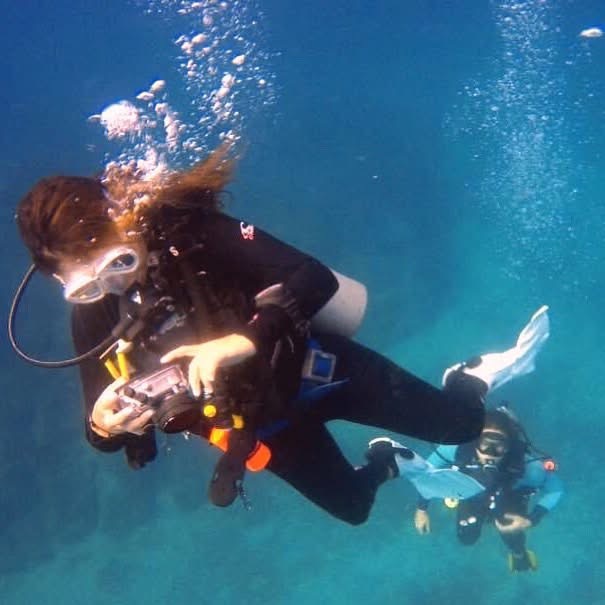
Mari has been diving for 15 years and loves spending time in the ocean, surrounded by nature. She is also passionate about photography and capturing the beauty she discovers underwater.
- Cabo Pulmo Diving: A Beginner’s Guide – September 28, 2026
- How to Adjust Underwater Camera Settings as Conditions Change – September 22, 2026
- Why Your Underwater Photos Look Too Dark and How to Fix Them – September 16, 2026