
 CAD
CAD
Cabo Pulmo Diving: A Beginner’s Guide
Baja California Sur Dive Guide
Cabo Pulmo diving combines coral habitat, dense schools of fish, clear blue water, and the simple rhythm of a small East Cape community. This beginner’s guide explains what makes the park special, how a typical dive day works, and how to prepare your camera without letting it take over the experience.
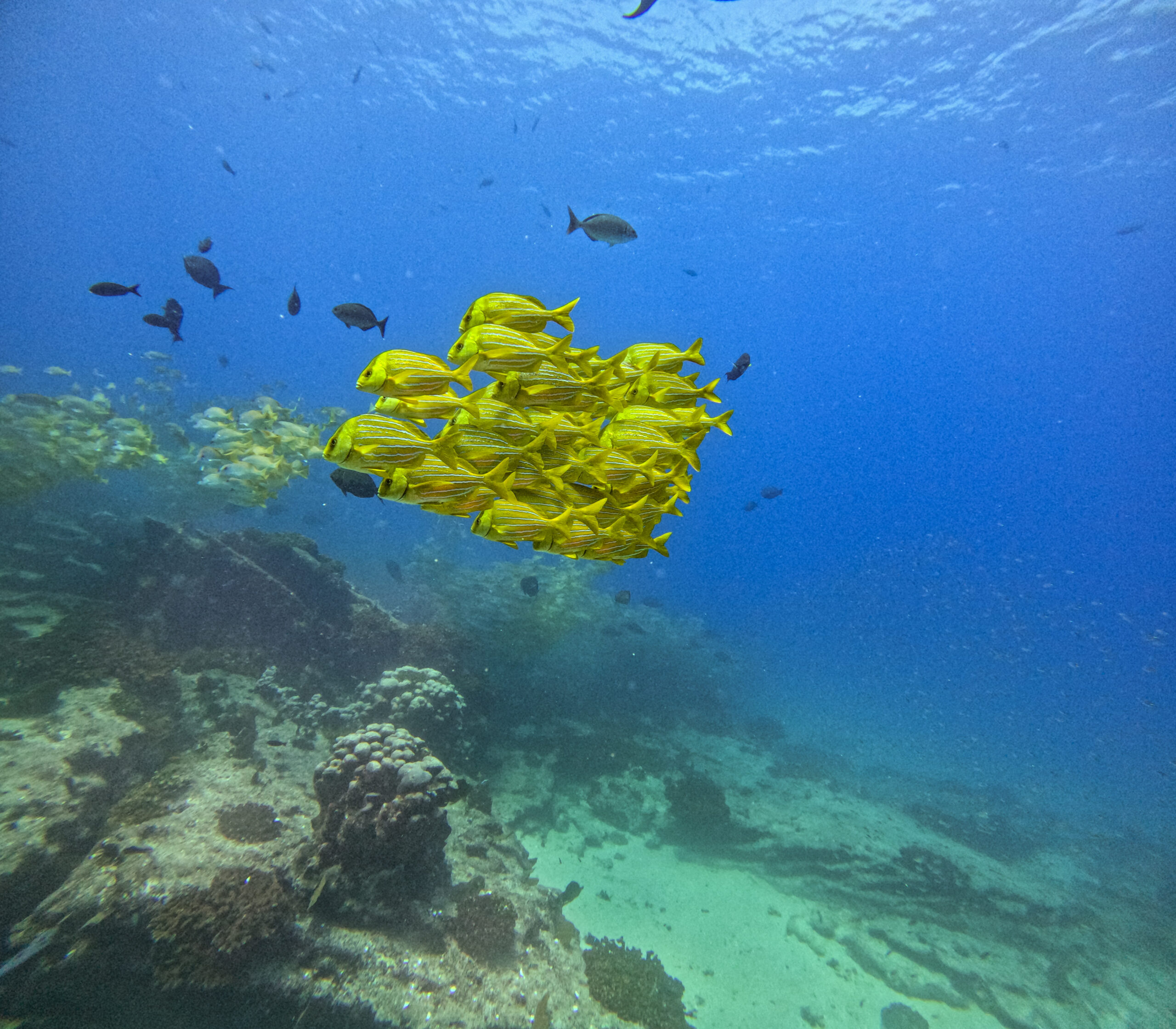
Quick answer: Cabo Pulmo can be an excellent destination for a newer diver who is comfortable in open water and willing to follow the guide’s plan. Choose an authorized operator, stay flexible about the assigned dive site, prepare your equipment before boarding the panga, and bring a camera system you already know how to control.
East Cape, Baja California Sur
Where Is Cabo Pulmo?
Cabo Pulmo National Park sits on the East Cape of Baja California Sur, beside the Gulf of California. CONANP places the road distance at approximately 98 kilometers from San José del Cabo and 167 kilometers from La Paz.
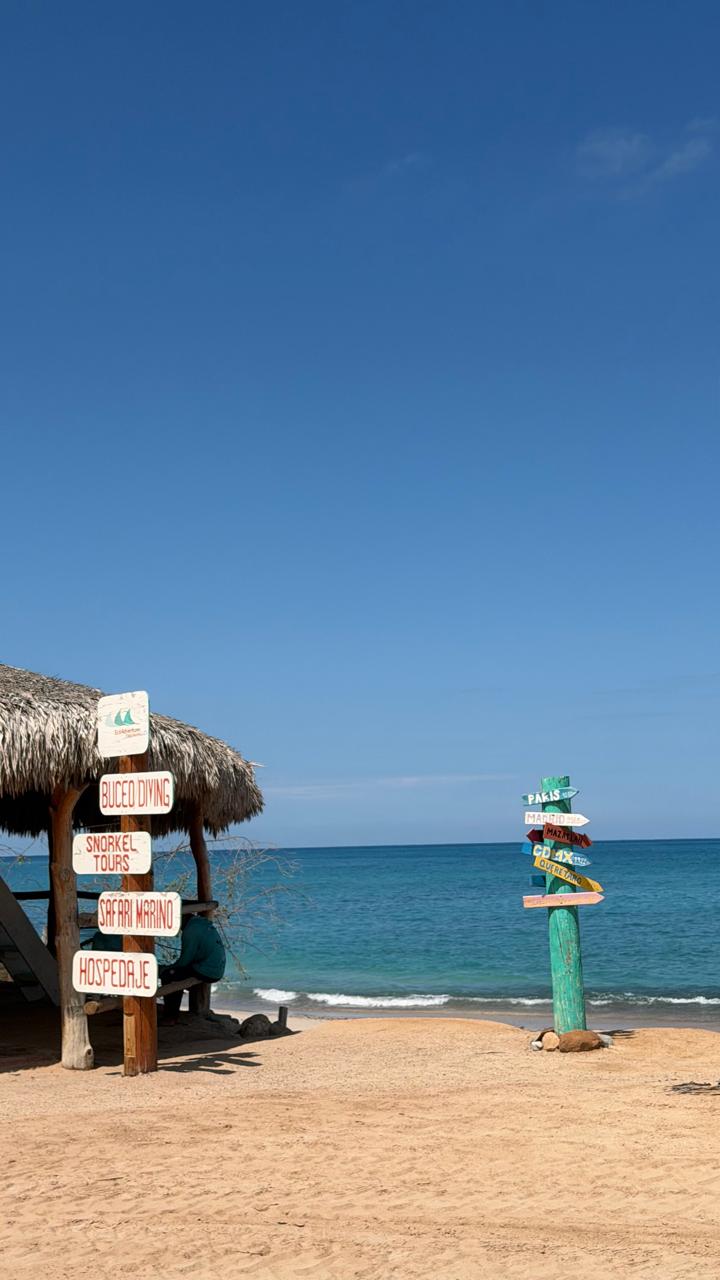
Although the park belongs to the municipality of Los Cabos, the atmosphere feels very different from Cabo San Lucas or San José del Cabo. Instead of a large marina, shopping centers, and nightlife, visitors find a small community shaped by the ocean, conservation, and locally operated dive trips.
Allow extra travel time, especially for the final approach, and check the road conditions with your operator. The official CONANP visitor page is the best place to confirm current park hours, conservation fees, and visitor guidance.
The Reef Is the Main Attraction
What Makes Cabo Pulmo Diving Special?
Cabo Pulmo is not the only reef in the Sea of Cortez. Rocky reefs and other reef communities occur throughout Baja California and the Gulf of California. What makes this park different is its coral reef ecosystem.
CONANP identifies Cabo Pulmo as the Gulf of California’s only coral reef ecosystem and the northernmost coral reef in the eastern Pacific. The agency also reports that the park contains 11 of the 14 reef-building coral species documented in the gulf. UNESCO describes its reef as one of the most important in the Gulf of California and the eastern Pacific.
Habitat
Coral reef ecosystem
Living coral and reef structure create shelter, feeding areas, and nursery habitat.
Biodiversity
11 coral species
The park supports most of the reef-building coral species reported in the gulf.
Experience
A complete ecosystem
The reef, fish schools, blue water, and changing conditions matter more than one promised animal.
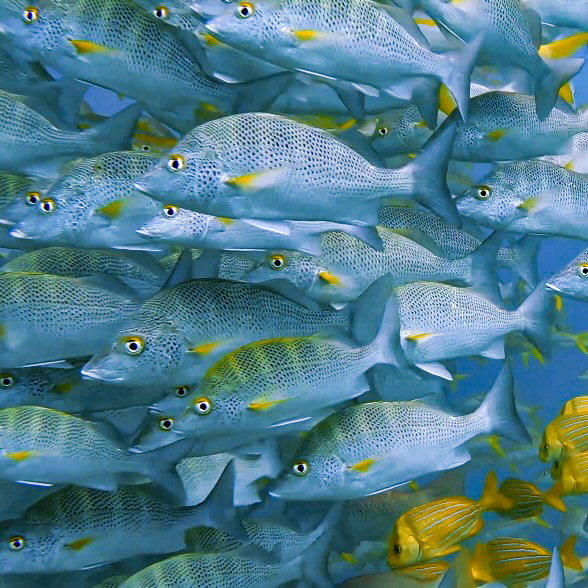
For divers, that means the reef itself is the reason to go. A school of fish may dominate one dive, while coral structure, a wreck, or the movement of the water may define another.
A Useful Distinction
Reef vs. Coral Reef: What Is the Difference?
A reef is an underwater structure that rises from the surrounding seafloor. It can be rocky, built by coral, or even artificial. A shipwreck, for example, can become an artificial reef when marine life begins to use the structure as habitat.
A coral reef ecosystem is more specific. Reef-building corals create habitat that supports a wider biological community. Fish shelter, feed, reproduce, and move around that living structure.
Cabo Pulmo matters because of the coral reef ecosystem the park protects, not simply because underwater structures are present.
From Town to the Reef
What Is a Day of Diving in Cabo Pulmo Like?
A typical morning feels refreshingly direct. You prepare your equipment with the operator, receive the day’s site plan, walk to the beach, and board a small panga. Many sites are close to shore, although the ride changes with the assignment and conditions.
During Mari’s visit, access was coordinated to spread dive activity across the park, the panga carried no more than six divers, and dives were limited to 45 minutes. Procedures can change, so treat those details as an account of her experience and confirm the current rules with an authorized operator.
Flexibility is part of diving here. You can share your preferences, but weather, safety, conservation procedures, and the available sites will shape the final plan.
Before You Board
Prepare the Camera Before the Dive Clock Starts
A controlled dive time makes preparation especially important for photographers. You do not want to spend the opening minutes troubleshooting a camera that will not fire or discovering that the memory card is full.
Inspect the O-ring, controls, port, and seal before leaving.
Charge the camera, strobes, lights, and vacuum system.
Format or clear the card after confirming backups.
Choose initial settings before entering the water.
Sites You May Hear About
Popular Cabo Pulmo Dive Sites
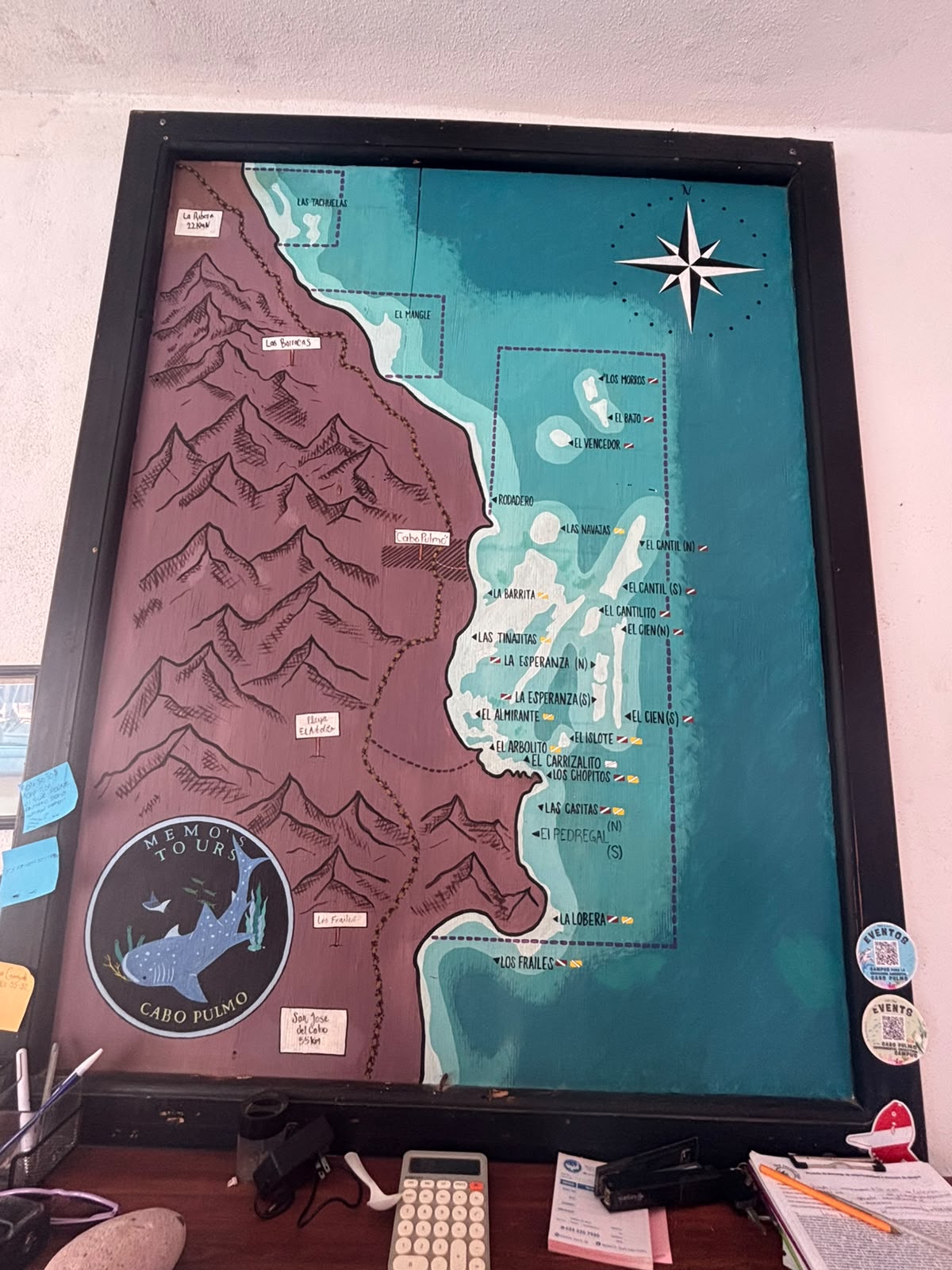
You do not need to memorize every site, and access is never guaranteed. Still, recognizing a few names will help you understand the guide’s briefing.
El Vencedor
The remains of a tuna boat rest on sand at roughly 14 meters, or 45 feet. The wreck functions as an artificial reef and can attract large numbers of fish. Bull sharks may visit seasonally, but wildlife encounters are never guaranteed.
El Bajo
This site invites you to view Cabo Pulmo as a complete ecosystem. Coral, reef contours, schooling fish, and blue water can create excellent opportunities for environmental wide-angle photographs.
Los Morros
Rocky reef structure and coral habitat give fish multiple places to gather and move. Instead of isolating one fish, look for compositions that show the relationship between the school and the reef.
El Cantil
Changes in depth, coral structure, and crevices give this dive a different visual rhythm. Briefings may describe depths from roughly 15 to 55 feet, but always follow the guide and the plan for that specific day.
Experience Before Equipment
Is Cabo Pulmo Good for Beginner Divers?
Yes, Cabo Pulmo can work well for newer divers. However, comfort in the water matters more than the certification card in your wallet. Current, visibility, surface conditions, and the assigned site can change the difficulty from one day to another.
Tell the operator honestly about your experience. A qualified local guide can match the plan to the day’s conditions and explain entries, exits, depth, current, and group procedures.
If you bring a camera, choose one you can operate without losing awareness of your buddy, gas, depth, guide, buoyancy, and surroundings. A compact camera or action camera can be more enjoyable than an unfamiliar, complicated rig.
Photograph the Whole Environment
Underwater Photography in Cabo Pulmo
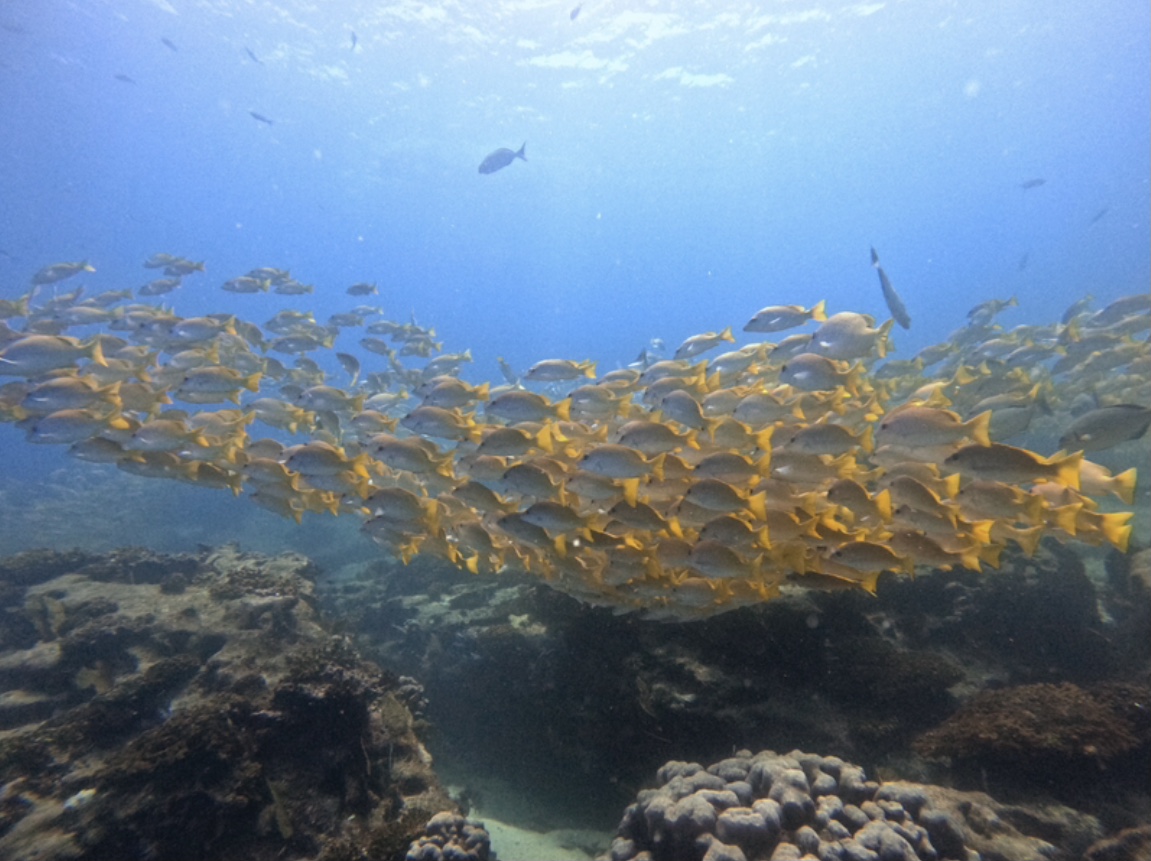
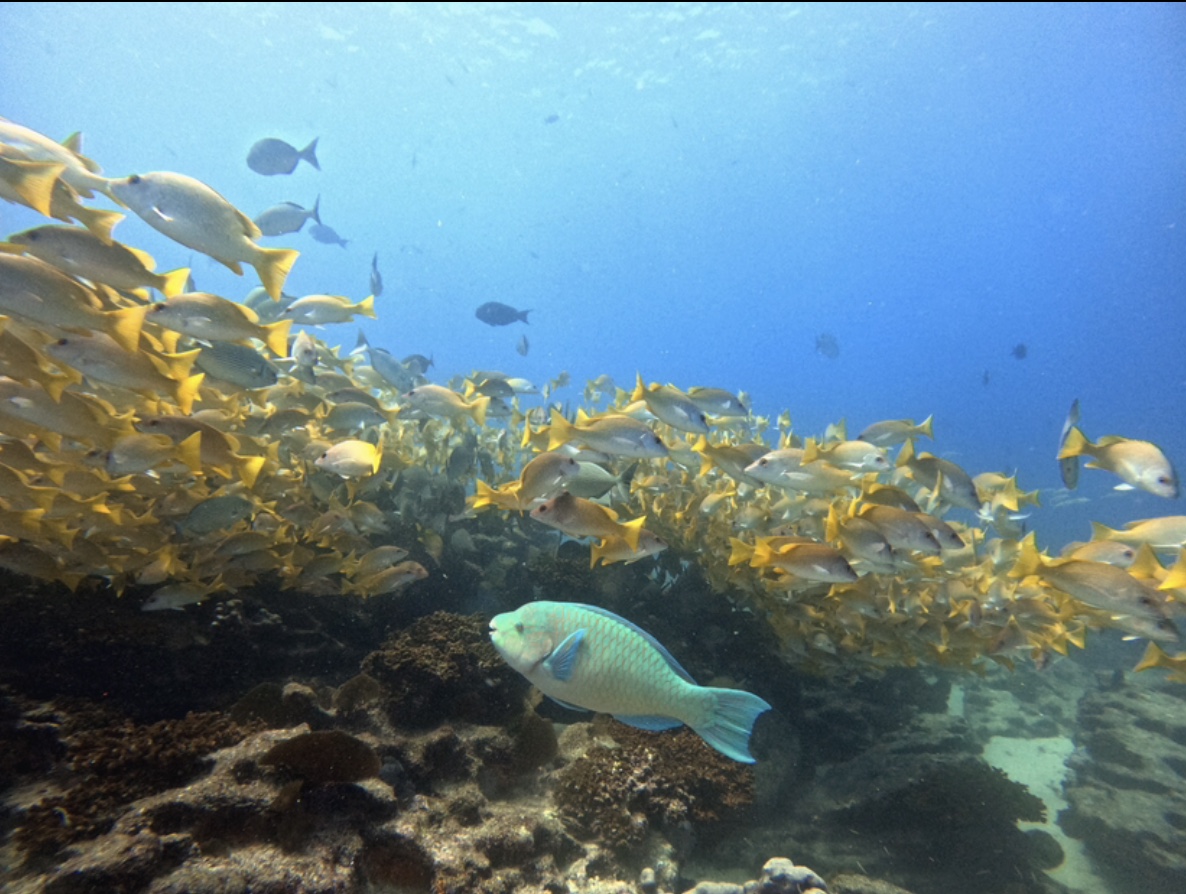
Cabo Pulmo diving is especially rewarding for wide-angle photography. Reef, coral, blue water, and large schools of fish allow you to tell a story about the environment instead of isolating one subject at a time.
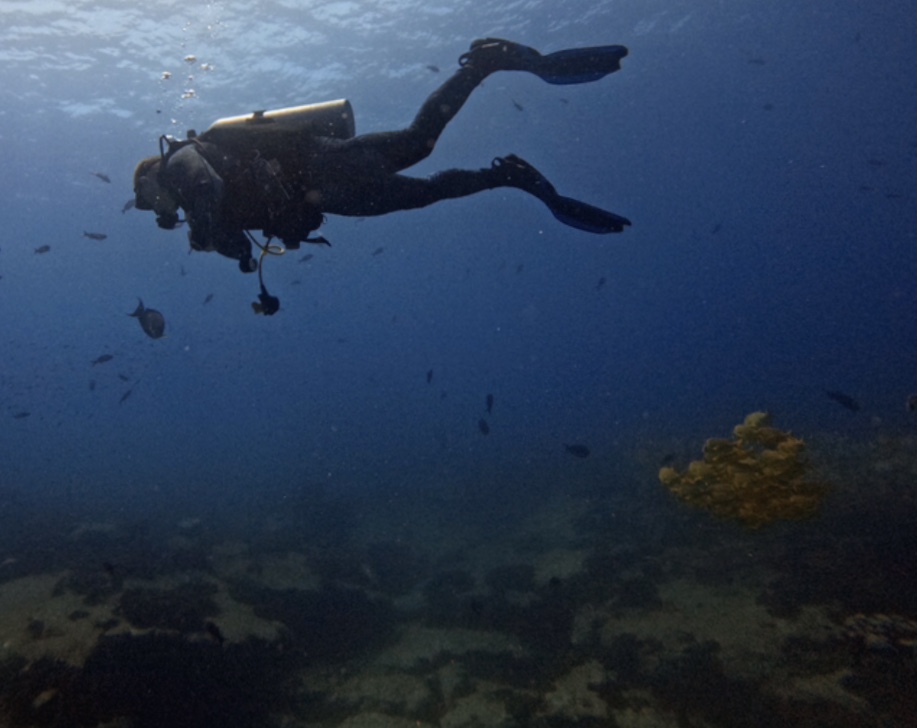
Try to show scale. Include the reef beneath a school, leave room for the fish to move into the frame, or place a diver in the background to reveal the size of the scene. Then get as close as your safety, buoyancy, and the animal’s behavior allow. A shorter water path improves contrast and reduces the particles between the port and subject.
A Simple Wide-Angle Approach
Four Habits That Matter More Than Complicated Gear
- Protect buoyancy first. Never touch coral or settle onto the reef to stabilize the camera.
- Get close without chasing. Move slowly, watch the animal’s path, and let the scene develop around you.
- Expose for the water. Set the ambient-light background first, then add controlled foreground light when the subject is within range.
- Check the frame edges. Keep stray fins, bubbles, and chopped fish from distracting from the school or reef.
For more practice before the trip, review Mozaik’s guide to natural light underwater photography and the tutorial on positioning underwater lights and strobes.
First Cabo Pulmo Trip Checklist
| Bring or Confirm | Why It Matters | Practical Action |
|---|---|---|
| Cash and payment backup | Connectivity and payment options can be limited in the small community. | Ask your operator what is included and carry pesos for local expenses. |
| Reusable water bottle | Hydration is essential, and less disposable plastic is better for a protected marine area. | Fill it before the drive and confirm refill options. |
| More than one dive day | Site access, weather, and animal activity vary. | Add a second day when the schedule and budget allow. |
| Familiar camera system | A camera adds task loading during a timed group dive. | Practice before the trip and begin with a simple baseline. |
| Current park information | Fees, procedures, access, and conditions may change. | Use an authorized operator and check CONANP shortly before traveling. |
Let the Park Surprise You
What Should You Expect to See?
Expect an ecosystem, not a wildlife checklist. One dive may be defined by a huge school moving through the blue. On another, the coral, the reef profile, or a single foreground fish may become the strongest part of the experience.
Sharks, turtles, rays, sea lions, and other animals may appear, but the ocean never follows a guaranteed schedule. If you build the trip around one promised encounter, you may overlook what the reef is showing you that day.
Go for the coral reef ecosystem, the schools of fish, and the feeling of entering a place where conservation shapes the dive. Then allow each site to tell a different part of the story.
After the Last Tank
Where Can You Eat After Diving?
Part of Cabo Pulmo’s charm is ending the morning at a simple local restaurant with the ocean still in view. Mari enjoyed Tacos and Beer for tacos, generous burritos, beer, and nonalcoholic Mexican drinks such as agua de jamaica.
Restaurant days and hours can change, and options may be limited. Ask your operator what is open before the boats leave or check directly with the restaurant instead of relying on an older schedule.
Good food, something cold to drink, the ocean in front of you, and another dive day waiting tomorrow.

Cabo Pulmo Diving FAQs
Is Cabo Pulmo suitable for beginner divers?
It can be, provided the diver is comfortable in open water and the operator selects a plan that fits the day’s conditions. Current, visibility, surface state, depth, and task loading all affect difficulty.
Can divers choose a specific Cabo Pulmo dive site?
You can share a preference, but access may depend on park procedures, operator coordination, weather, and safety. Arrive ready to enjoy the assigned site rather than expecting one guaranteed location.
What camera is best for a first Cabo Pulmo trip?
The best camera is one you already understand underwater. A compact camera or action camera is enough to document the reef while keeping buoyancy, the buddy team, and the guide as the priorities.
Are bull sharks guaranteed at El Vencedor?
No. Local guides may encounter bull sharks seasonally, but they are wild animals. The wreck and surrounding fish life can still make the dive worthwhile without a shark sighting.
How many days should I dive in Cabo Pulmo?
Two or more dive days can increase the chance of experiencing different sites and conditions. One day can still be rewarding, but weather and site assignments may limit the variety.
Where should I confirm current park rules?
Consult CONANP’s official Cabo Pulmo page and an authorized local operator shortly before the trip. Confirm access, conservation fees, group procedures, equipment needs, and road conditions.
The Takeaway
Let the Reef Remain the Center of the Experience
A successful Cabo Pulmo diving trip begins with realistic expectations. The park determines the rhythm, the day’s conditions influence the site, and wildlife decides whether it appears.
Bring familiar equipment, listen to the local guide, protect your buoyancy, and photograph the ecosystem rather than chasing a checklist. That simple approach leaves more attention for the coral, fish schools, blue water, and the reason you traveled there in the first place.
Build a Travel-Friendly Underwater Camera System
Choose a camera, housing, and lighting setup you can operate comfortably while keeping the dive itself as the priority.
About the Author
Mari Herrarte
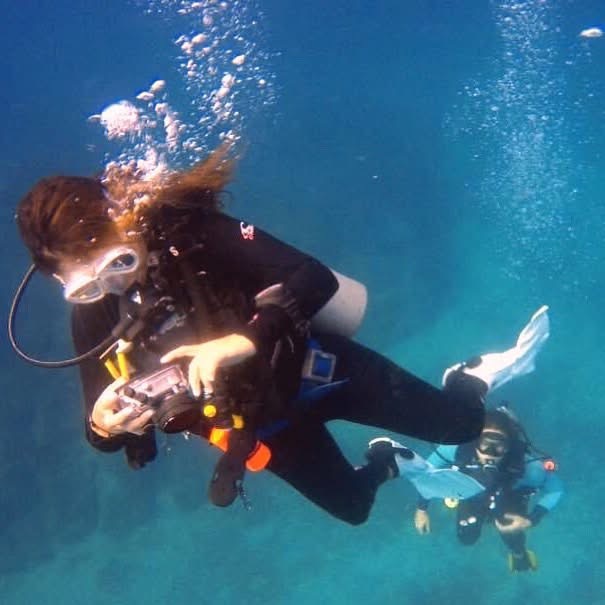
Mari has been diving for 15 years and loves spending time in the ocean, surrounded by nature. She is also passionate about photography and capturing the beauty she discovers underwater.
- Cabo Pulmo Diving: A Beginner’s Guide – September 28, 2026
- How to Adjust Underwater Camera Settings as Conditions Change – September 22, 2026
- Why Your Underwater Photos Look Too Dark and How to Fix Them – September 16, 2026