
 CAD
CAD
The Ultimate Guide to Underwater Wet Lenses
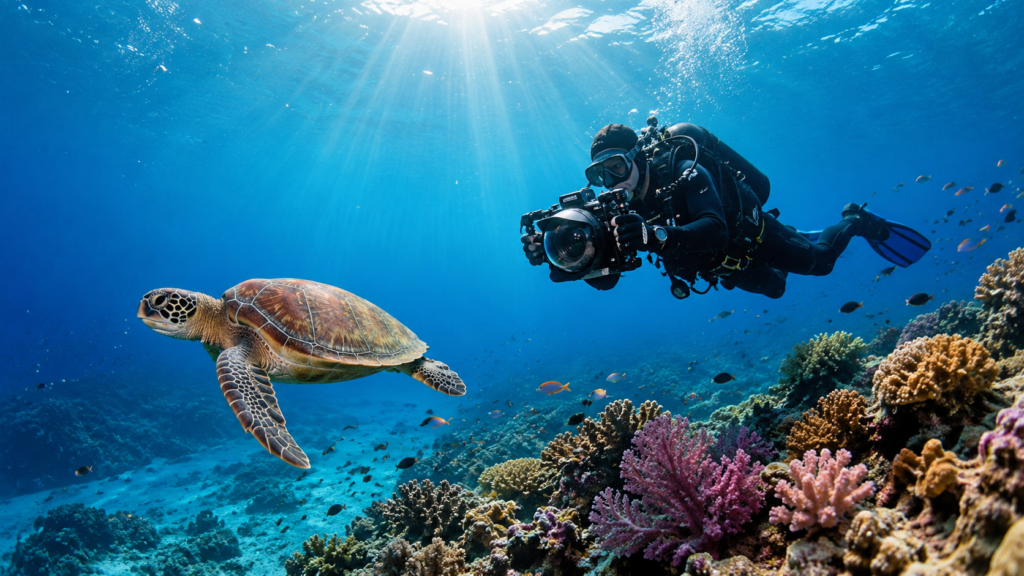
Wet lenses are one of the easiest ways to make an underwater camera system more flexible. They let you change how your camera sees the scene during a dive without opening the housing or changing the camera lens inside.
That matters because underwater photography rarely gives you one predictable subject. You may start a dive with a reef wall, swim past a turtle, and then find a tiny nudibranch on the same route. A fixed setup can limit what you are able to shoot, while the right wet lens gives you more options underwater.
This guide explains what wet lenses are, how they work, the difference between wide angle and macro wet lenses, what compatibility details matter, and how to choose the right lens for your camera, housing, and shooting style.
What Are Wet Lenses?
Wet lenses are external lenses that attach to the front of an underwater housing port. They are designed to work while submerged, and they can usually be attached or removed during the dive.
Most wet lenses help with one of two things:
- Wide angle coverage: capturing more of a reef, wreck, diver, or large marine subject.
- Macro magnification: focusing closer on small marine life and tiny textures.
Wet lenses are especially useful with compact cameras, action cameras, and smartphone housings because these systems often use fixed lenses inside the housing. A wet lens gives that fixed setup more range underwater.
Why Wet Lenses Matter Underwater
Water changes how a camera sees the scene. Refraction makes subjects appear closer and larger, and it can reduce the field of view from a flat port. That is why wide underwater scenes often feel tighter than expected when shot through a standard housing port.
Wet lenses help solve that problem. A wide angle wet lens expands the frame so you can get closer while still capturing the environment. Getting closer is important because less water between the camera and subject usually means better color, clearer contrast, and less backscatter.
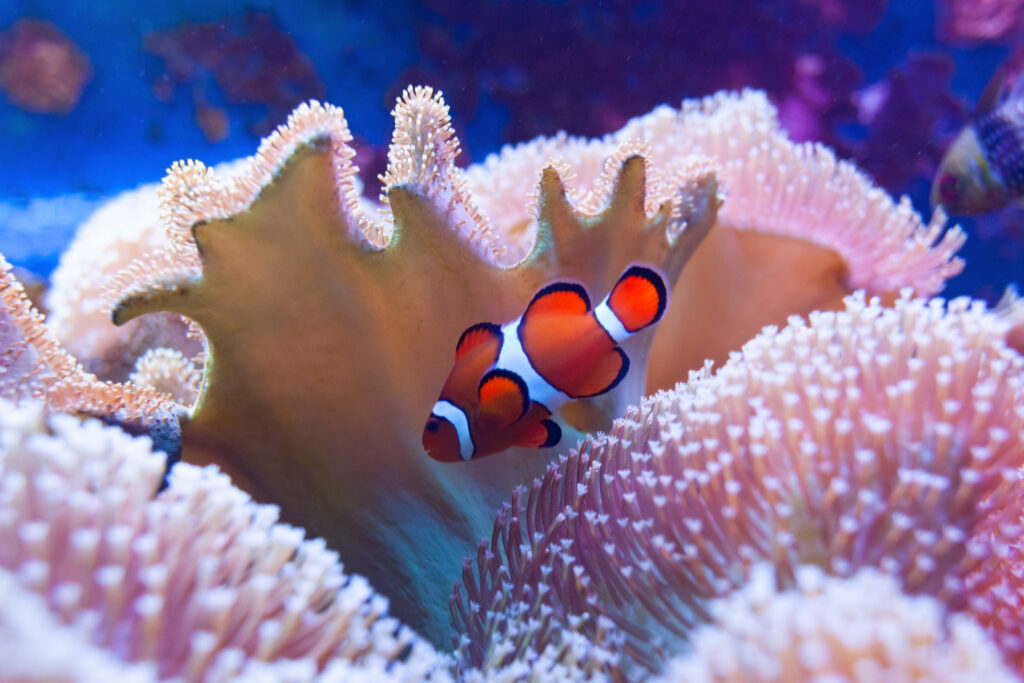
Macro wet lenses solve a different problem. Small subjects often need more magnification than a standard compact camera or kit lens can provide. A macro wet lens reduces the working distance and helps fill the frame with small subjects like nudibranchs, shrimp, small reef fish, and coral textures.
Wet Lens Buying Path
| What you want to shoot | Lens direction | What to check first |
| Reefs, wrecks, divers, turtles, sharks, large scenes | Wide angle wet lens | Housing port size, thread size, camera focal length, possible vignetting |
| Nudibranchs, shrimp, small reef fish, coral details | Macro wet lens | Magnification strength, working distance, focus control, lighting |
| Mixed dives with both large and small subjects | One wide angle lens plus one moderate macro lens | Lens holders, flip adapters, bayonet mounts, secure storage underwater |
Types of Wet Lenses
Wide Angle Wet Lenses
Wide angle wet lenses expand the field of view. They are used when the subject or scene is too large to capture comfortably with the housing’s standard port.
They are commonly used for:
- Reef scenes
- Wreck photography
- Large marine life
- Divers in the frame
- Wide environmental images
A good wide angle setup lets you move closer to the subject while keeping more of the scene in the frame. This improves image quality because the camera is shooting through less water.
Macro Wet Lenses
Macro wet lenses, also called close-up lenses or diopters, help the camera focus closer and magnify small subjects. They are useful when the subject is too small to fill the frame with the standard camera lens.
Common macro subjects include:
- Nudibranchs
- Shrimp
- Small reef fish
- Coral polyps
- Tiny crustaceans
- Textures and details on the reef
Macro wet lenses come in different strengths. Lower and moderate strengths are usually easier to use because they give more working distance and a slightly more forgiving focus range. Strong macro lenses can produce more dramatic magnification, but they require steadier buoyancy, better lighting control, and more patience.
Mozaik Product Examples to Consider
The right wet lens depends on your exact camera, housing, port, and subject. Use the examples below as starting points, then confirm compatibility before buying.
For action cameras and smartphones: AOI UWL-03 Wide Angle Lens

The AOI UWL-03 Wide Angle Lens for Action Cameras & Smartphones is a strong example for divers using action cameras or smartphone systems. It is designed to recover field of view underwater and gives a wide 140-degree underwater angle of view. This type of lens makes sense when you want to stay close to the subject while keeping more of the reef, diver, or background in the frame.
Best for: GoPro-style systems, action camera housings, smartphone housings, travel-friendly wide angle shooting.
For compact systems with a 67mm port: browse wide angle wet lenses
Many compact underwater housings use a 67mm front thread, which makes it easier to add wet lenses. Mozaik’s wide angle wet lens category includes several options from brands such as Kraken, Fantasea, Nauticam, Divevolk, Inon, Ikelite, and others.
Best for: reef scenes, wrecks, divers, large animals, and compact camera users who want more flexibility on a single dive.
For stronger macro and more advanced setups: INON UCL-90 M67
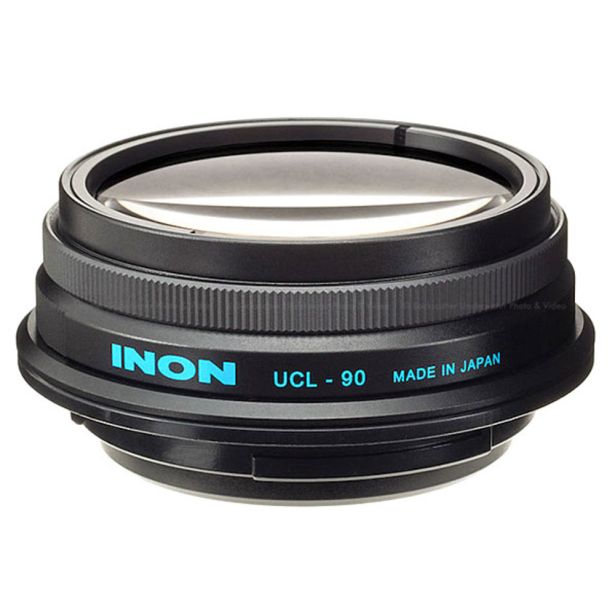
The INON UCL-90 M67 Underwater Close-Up Lens is a more advanced macro option. It is built for higher magnification and longer working distance, and the product page lists compatibility across several lens types, including full-frame macro lenses, APS-C macro lenses, Micro Four Thirds standard zoom lenses, and compact digital cameras with maximum optical zoom of 5x or less.
Best for: divers who already have good buoyancy, stable focus control, and a setup that has been checked for compatibility.
For mounts, holders, and adapters
Wet lenses are easier to use when the mounting system is planned properly. Before adding a lens, check Mozaik’s wet lens mounts and converters and lens holders. These accessories help you attach, remove, and store wet lenses safely during the dive.
Compatibility Notes for Popular Camera Types
Olympus Tough TG-7 and TG-6
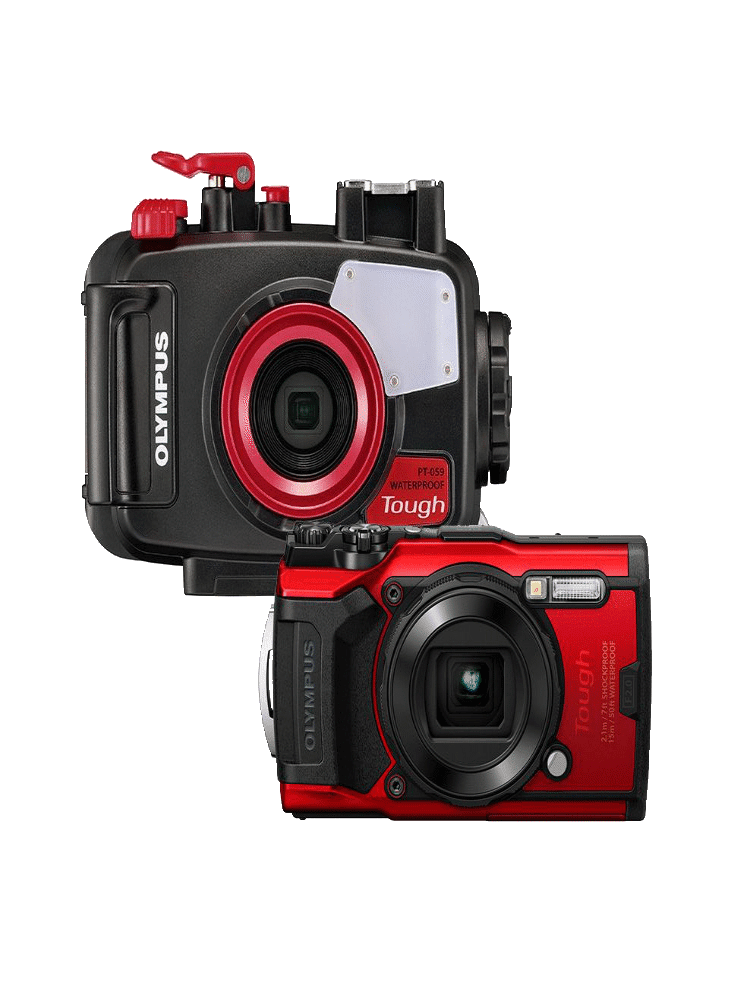
The TG series is popular because it is small, tough, and beginner-friendly underwater. For wet lenses, the key detail is the housing and port setup. Many TG housings can support wet lenses through a threaded port or adapter, but the exact mount needs to be checked. A moderate macro lens is useful for small subjects, while a wide angle lens is useful for reef scenes and larger subjects.
Sony RX100 VII
The RX100 VII is a capable compact camera for underwater photography, but wet lens compatibility requires careful checking. The zoom range and flat port design mean some wide angle wet lenses may show dark corners at the widest focal length. A small amount of zooming in often resolves this. Before buying, confirm the exact housing model, port thread size, zoom range, and the recommended focal length range for the wet lens you are considering. Browse current Sony RX100 VII housing options to see what is available.
Canon G7X Mark III

The Canon G7X Mark III is another common compact camera for underwater use. Many housings for this camera support 67mm wet lens options, but the housing brand and port design matter. A wide angle wet lens can help with reefs and larger subjects, while a macro wet lens can help with small marine life.
GoPro and action cameras

Action cameras are naturally wide, but underwater housings and flat ports can still affect field of view and edge quality. A lens like the AOI UWL-03 can help restore a wider field of view underwater and improve close-range shooting for action camera users. Mount type is especially important here because action camera wet lenses may use quick-release systems or adapters instead of a standard 67mm thread.
Smartphone housings
Smartphone housings are becoming more capable, but lens choice depends heavily on the housing system. Some smartphone setups use dedicated wide angle or close-up lenses, while others use 52mm or 67mm adapters. Check the housing brand, phone fit, adapter type, and whether the lens is designed for underwater use.
Mirrorless and DSLR systems

Mirrorless and DSLR users often choose native lenses and ports first, especially for dedicated wide angle and macro work. Wet lenses can still be useful in certain setups, especially for macro or compact travel configurations, but compatibility depends on the port, focal length, mount, and lens design. This is where expert matching becomes important.
How to Choose the Right Wet Lens
Start with the subject
The easiest way to choose a wet lens is to begin with what you actually want to photograph. If you want reefs, wrecks, divers, and larger animals, look at wide angle wet lenses. If you want nudibranchs, shrimp, tiny fish, and texture details, look at macro wet lenses.
Check the housing port
The port is the connection point between your housing and the wet lens. Common thread sizes include 67mm and 52mm, but some systems use bayonet mounts, quick-release mounts, or brand-specific adapters.
Before buying, confirm:
- The housing port size
- The wet lens mount type
- Whether an adapter is needed
- Whether the lens can be removed underwater
- Where the lens will be stored when removed
Think about vignetting
Vignetting appears as dark corners in the image. It usually happens when the wet lens, housing port, and camera focal length do not line up well. Wide angle lenses are most affected because they rely heavily on correct spacing and field of view.
In some setups, slight zooming can reduce dark corners. In others, a different lens or adapter may be needed.
Choose a realistic macro strength
High magnification looks appealing, but stronger macro lenses are harder to use. They reduce depth of field, make focus more sensitive, and require steadier positioning. Beginners often get better results with a moderate macro lens before moving to stronger options.

Plan your lighting
Wet lenses and lighting work together. Wide angle scenes usually need careful strobe positioning to avoid backscatter. Macro images often need a focus light or controlled strobe position to keep small subjects sharp and clean.
If your photos look soft, flat, or noisy, the lens may not be the only issue. Lighting, focus, aperture, distance, and water clarity all affect the final image.
Common Wet Lens Problems and How to Avoid Them
Dark corners
Dark corners usually come from a mismatch between the camera, housing port, lens spacing, and focal length. Try slight zooming first, then check whether your lens and port combination is recommended for your camera.
Soft corners
Some wide angle wet lenses are sharper in the center than at the edges. Stopping down the aperture can help. A higher-quality lens can also improve corner performance, especially for serious wide angle work.
Focus issues
Macro lenses create a smaller focus range, so the camera may struggle if you are too close or too far from the subject. Use a focus light when needed, keep your body position stable, and practice small movements instead of chasing focus with large changes.
Chromatic aberration
Chromatic aberration can appear as color fringing around high-contrast edges. Better optics reduce it, and editing software can often correct part of it later.
Useful Accessories for Wet Lenses
The lens itself is only one part of the setup. These accessories can make wet lenses easier and safer to use underwater:
- Lens holders: keep the lens secure when it is removed from the port.
- Flip adapters: let macro users move a lens in and out quickly without fully removing it.
- Bayonet adapters: make lens changes faster than screw-on mounts in some systems.
- Dome shades: help reduce flare and protect wide angle dome lenses.
- Microfiber cloths and caps: protect the lens before and after the dive.
Pre-Buy Checklist
Before you buy a wet lens, check these details:
- Your exact camera model
- Your exact housing model
- Your port thread size or mount type
- The lens mount type
- Your main subject type
- Whether you need wide angle, macro, or both
- Whether the lens needs an adapter
- Whether you need a lens holder or flip mount
- Whether the lens is currently available
- Whether the lens has known vignetting or zoom limitations with your setup
Final Thoughts
Wet lenses can make an underwater camera system far more versatile. A wide angle wet lens helps you capture larger scenes while staying close enough for better color and contrast. A macro wet lens helps you reveal small subjects that would otherwise be difficult to frame clearly.
The best choice depends on your camera, housing, port, lens mount, and the subjects you care about most. For many divers, the smartest starting point is one reliable wide angle option, one moderate macro option, and the right holder or adapter to make both practical underwater.
If you are unsure which lens fits your setup, send Mozaik your camera model, housing model, port size, and the type of subjects you want to shoot. The team can help match the right wet lens, mount, holder, and lighting accessories to your system.
Need help choosing the right wet lens?
Shop wide angle wet lenses | Shop macro wet lenses | Find your camera setup

Visit his personal portfolio at www.ranmorphoto.com.

