
 CAD
CAD
Sony RX100 vs Canon G7 X: what still makes sense underwater in 2026?
Compact cameras are still loved by divers, but the market has changed. The best choice now depends less on the camera body alone and more on housing support, wet lens compatibility, lighting, creator video needs, and whether you want a true compact camera, rugged compact, action camera, or small mirrorless system.
Quick Verdict
If you are choosing between Sony RX100 and Canon G7 X for underwater photography in 2026, the most practical short answer is this:
The important 2026 update is that neither brand has replaced these compact lines with a clearly newer underwater-focused model. That keeps the Sony RX100 VII, regional Sony DSC-RX100M7A listings, Sony RX100 VA, Canon PowerShot G7 X Mark III, and used Canon G7 X Mark II relevant, but buyers should judge them as complete underwater systems, not just camera bodies.
Current Product Names Divers Are Comparing
Sony Cyber-shot RX100 VII / DSC-RX100M7A
The RX100 VII remains the flagship RX100 design. In some regions, shoppers will also see DSC-RX100M7A listings, a closely related current variant. The key underwater note is still the 24-200mm equivalent ZEISS lens, 20.1MP 1-inch stacked sensor, fast hybrid AF, Real-time Tracking, 4K HDR video, mic input, and tilting touch screen.
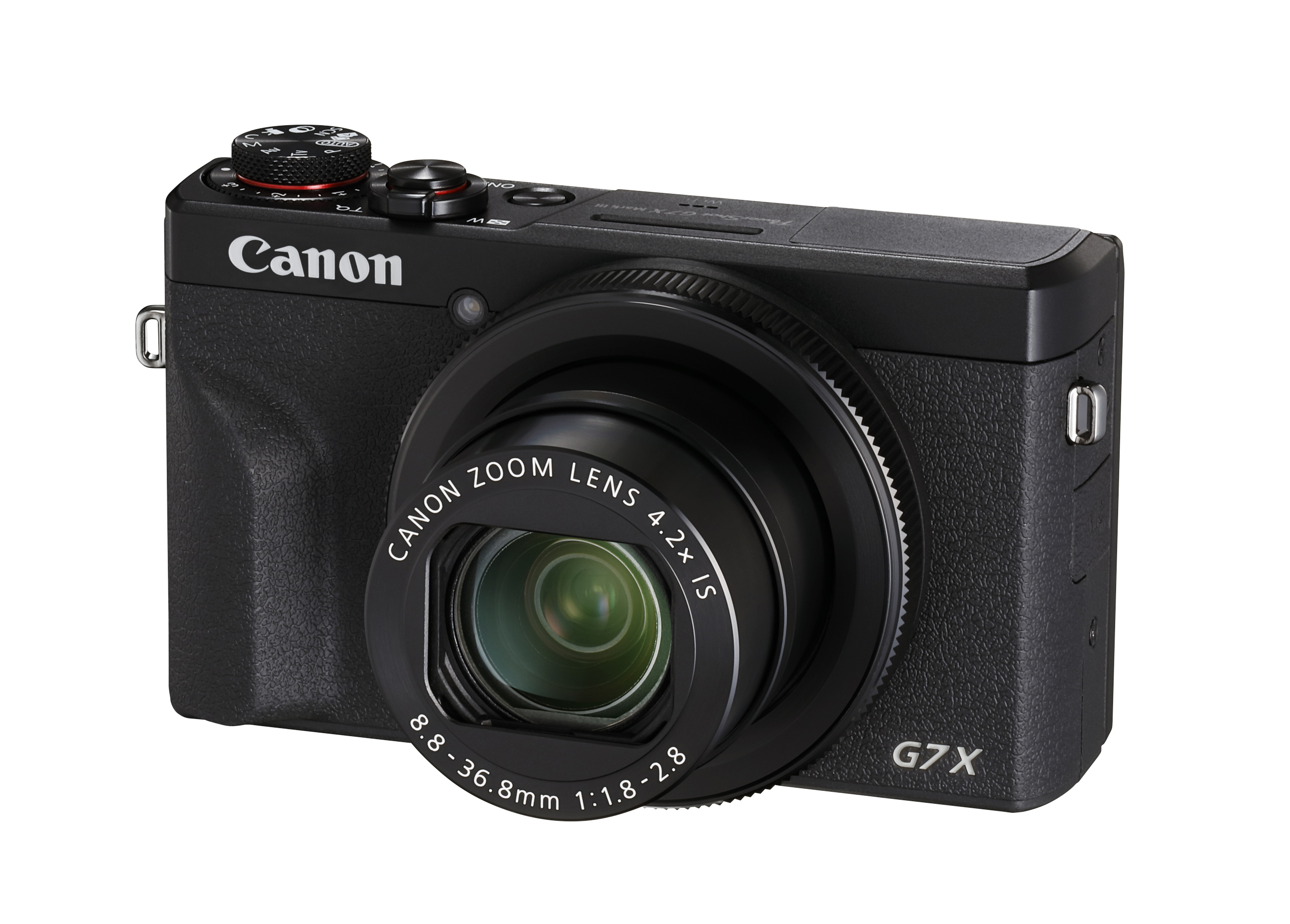
Canon PowerShot G7 X Mark III
Canon’s current G7 X model uses a 20.1MP 1-inch stacked CMOS sensor, DIGIC 8 processing, 24-100mm f/1.8-2.8 lens, 4K 30p, Full HD 120p, vertical video, and USB-C charging. Canon also announced a limited 30th anniversary G7 X Mark III commemorative edition for 2026 in select regions.
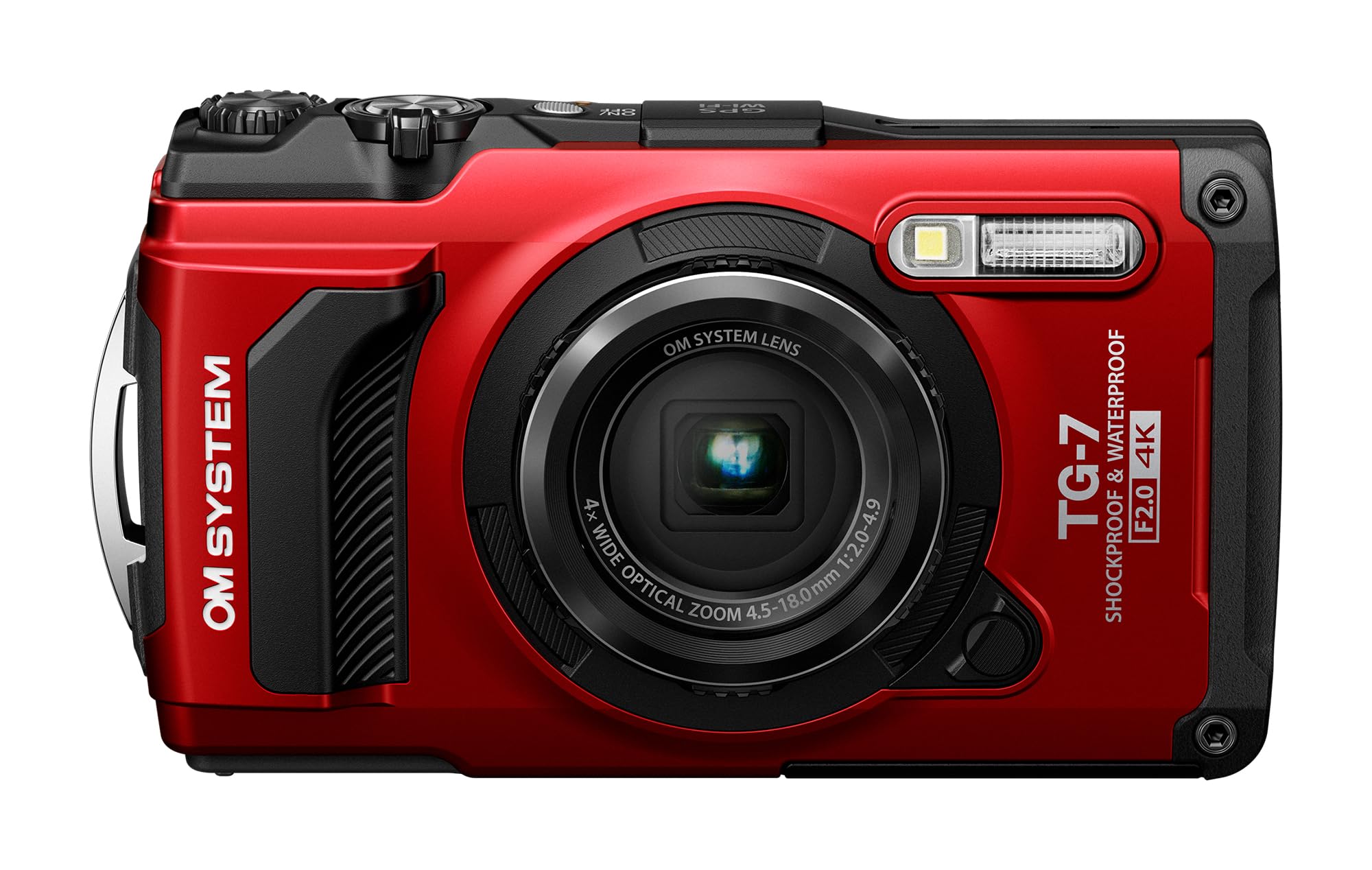
OM SYSTEM Tough TG-7
The TG-7 is not a high-end 1-inch compact, but it is one of the most relevant current underwater cameras for snorkeling, beach travel, macro play, and easy family use.
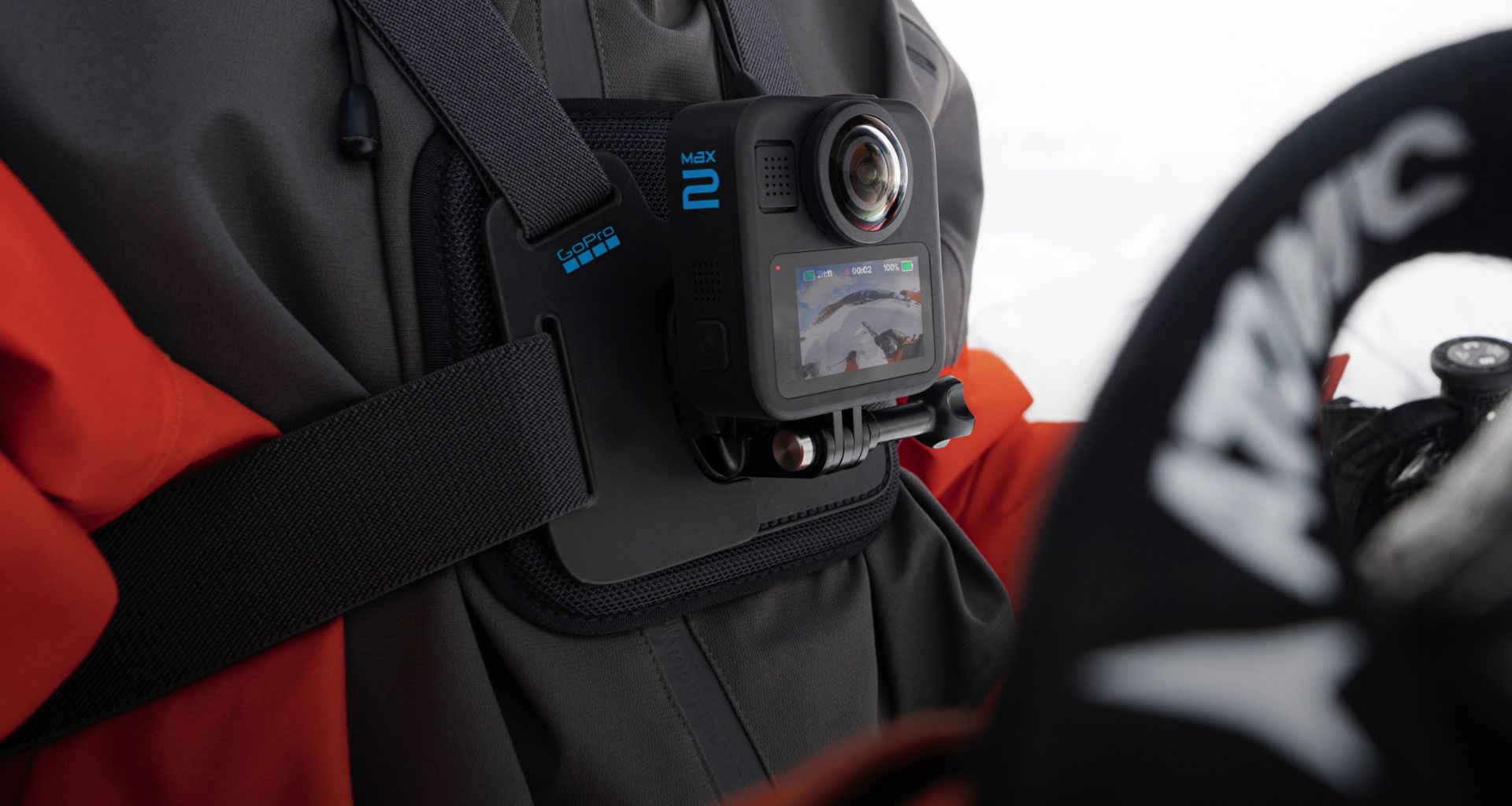
GoPro MAX2 and HERO13 Black
GoPro’s current lineup shows where underwater content is heading: 360-degree capture, vertical crops from one clip, action stabilization, replaceable lenses, and simple travel video.
Why This Comparison Still Matters Underwater
Above water, camera comparisons usually focus on autofocus speed, video resolution, burst shooting, sensor size, and zoom range. Underwater, those specs only tell part of the story.
You also need to think about underwater housing fit, port design, wet lens support, flash control, white balance, macro reach, wide-angle performance, battery life, and whether the controls are easy to use while wearing gloves or managing buoyancy.
A compact camera can look excellent on paper and still become frustrating underwater if the lens does not pair well with wet wide-angle lenses or if the housing limits important controls.
That is why Sony RX100 and Canon G7 X are still serious choices. Once you add an underwater housing, wet optics, strobes, video lights, arms, and trays, they become complete underwater systems.
What Is Trending In Underwater Cameras In 2026
The underwater camera world is no longer only about choosing the highest-spec compact. These are the trends shaping what divers actually buy and use:
- Compact camera scarcity: premium point-and-shoot cameras are harder to find new, so used-market models like the Canon G7 X Mark II and Sony RX100 VA remain popular, while current listings like Sony DSC-RX100M7A and Canon’s 2026 G7 X Mark III commemorative edition get extra attention.
- Creator-first video: vertical video, 4K capture, mic input, quick USB-C charging, and easy social edits now matter even for divers who mainly travel for fun.
- 360-degree and action capture: GoPro MAX2 and Insta360 X5-style systems are trending because one dive clip can be reframed for YouTube, Instagram, TikTok, or a vertical reel.
- Rugged simplicity: cameras like the OM SYSTEM Tough TG-7 stay relevant because many snorkelers and families want waterproof convenience without a full housing rig.
- Small mirrorless upgrades: divers who outgrow compacts often move to Canon R50, Canon R10, Sony a6700, OM SYSTEM OM-5, or similar small mirrorless bodies, but the total rig becomes larger and more expensive.
- Lighting matters more than body specs: compact video lights, strobes, snoots, and better color workflows are often the biggest upgrade for real underwater image quality.
2026 buying advice: Start with your subject. Choose a compact system for reef travel and flexible wet lenses, a rugged compact for simple snorkeling and macro play, an action camera for POV and social video, or mirrorless if you want the best files and are ready for a larger rig.
Sony RX100 VII and RX100 VA Underwater
The Sony Cyber-shot RX100 VII is still the RX100 model most underwater photographers mean when they discuss the newest RX100 body. In parts of Europe, Sony also lists DSC-RX100M7A, a current RX100 VII-family variant. It keeps the 24-200mm equivalent lens, 20.1MP 1-inch stacked CMOS sensor, fast hybrid autofocus, Real-time Tracking, 4K recording, and compact travel body.
That makes the RX100 VII a strong all-around travel camera above water. Underwater, however, the 24-200mm lens is the key tradeoff. The long zoom gives flexibility on land, but it can complicate housing port design and wet wide-angle lens performance.
The Sony RX100 VA remains especially interesting for underwater photographers because it keeps the shorter 24-70mm lens. That lens range is easier to match with many wet wide-angle lenses, which can make the RX100 VA more practical for reef scenes, divers, wrecks, and large marine life.
Best Sony choice by diver type
- RX100 VA: better fit for divers prioritizing wide-angle wet lens compatibility and compact underwater handling.
- RX100 VII: better fit for hybrid travel shooters who want stronger autofocus, newer video tools, and more zoom above water.
Canon PowerShot G7 X Mark III and Mark II Underwater
The Canon PowerShot G7 X Mark III is the current Canon G7 X model to use in a 2026 buyer guide. It offers a 20.1MP 1-inch stacked CMOS sensor, DIGIC 8 processor, 24-100mm f/1.8-2.8 lens, 4K 30p video, Full HD 120p, vertical video support, live streaming features, external microphone support, and USB-C charging. Canon’s 2026 30th anniversary commemorative edition keeps the G7 X Mark III name but adds a special graphite finish and collector packaging in limited regions.
For underwater use, the 24-100mm lens remains one of Canon’s biggest advantages. It gives more reach than the RX100 VA for close-up work, and it can be helpful for small reef life when paired with a close-up lens or diopter.
The older Canon G7 X Mark II is still discussed because it is simple, familiar, widely supported by housings, and often cheaper used. It lacks 4K video, but for divers focused mainly on still photos, it can still be a very practical compact camera.
Best Canon choice by diver type
- G7 X Mark III: best Canon option if you want 4K video, vertical clips, USB-C convenience, and a newer body.
- G7 X Mark II: best Canon value pick if you mainly shoot stills and find a clean used camera with good housing support.
2026 Compact Camera Comparison
This table keeps the comparison focused on underwater relevance instead of listing every camera specification.
| Feature | Sony RX100 VII | Sony RX100 VA | Canon G7 X Mark III | Canon G7 X Mark II |
|---|---|---|---|---|
| Sensor | 1-inch, 20.1MP stacked CMOS | 1-inch, 20.1MP stacked CMOS | 1-inch, 20.1MP stacked CMOS | 1-inch, 20.1MP CMOS |
| Lens | 24-200mm f/2.8-4.5 | 24-70mm f/1.8-2.8 | 24-100mm f/1.8-2.8 | 24-100mm f/1.8-2.8 |
| Video | 4K HDR, mic input | 4K, high frame rate options | 4K 30p, Full HD 120p | Full HD up to 60p |
| Underwater lens note | Long zoom needs careful housing and port planning | Shorter zoom is easier for wet wide-angle setups | Useful reach for macro, check wide-angle wet lens fit | Useful reach for macro, strong value used |
| Best advantage | Newest RX100 body, autofocus, hybrid travel | Video speed, autofocus, wet-lens-friendly range | 4K Canon compact with simple handling | Price, menus, battery life, still photos |
| Best for | Travelers who shoot topside and underwater | Divers who want compact wide-angle flexibility | Canon users, video clips, macro-leaning travel | Photo-focused divers building a budget compact rig |
Underwater Housings And System Support
Housing choice decides whether a compact camera feels excellent underwater or merely acceptable. Look beyond the body and confirm the exact housing model, port design, controls, wet lens threading, vacuum system options, strobe triggering, and tray compatibility.
Popular housing brands for these systems include Fantasea, Nauticam, Ikelite, Isotta, SeaFrogs, and other compact-camera housing makers. Availability changes by model, so always check the exact camera version before buying.
- Sony RX100 VA: often preferred when wide-angle wet lens compatibility is a priority.
- Sony RX100 VII: excellent camera, but the 24-200mm lens makes the port and wet lens setup more important.
- Canon G7 X Mark III: a practical Canon compact if you want 4K video and a 24-100mm lens in a supported housing.
- Canon G7 X Mark II: still a strong used-market setup if price and ease of use matter more than 4K.
You can compare current compact options through Mozaik’s underwater camera packages, Sony RX100 housing guide, and Canon G7 X Mark III housing options.
Wide Angle, Macro, And Video Underwater
Wide angle
For reef scenes, wrecks, sharks, turtles, divers, and blue-water images, wide-angle wet lens compatibility is the first thing to check. The Sony RX100 VA has an advantage here because the 24-70mm lens is easier to support. The RX100 VII can work, but it needs more careful port and wet-lens matching.
Macro and close-up
The Canon G7 X Mark II and Mark III feel practical for macro because the 24-100mm range gives more reach than Sony’s 24-70mm RX100 VA lens. Add a quality close-up lens or diopter for shrimp, nudibranchs, tiny fish, coral texture, and detail shots.
Video
Sony has the stronger compact-camera video reputation, especially with the RX100 VA and RX100 VII. Canon’s G7 X Mark III is much more competitive than the older Mark II because it adds 4K 30p and Full HD 120p. For social-first video, action cameras and 360-degree cameras are now part of the same conversation.
Lighting reminder: even the best compact camera will look flat underwater without light. For still photos, prioritize strobes. For video, prioritize reliable wide video lights with enough output for close-range subjects.
Which Camera Should You Choose?
Choose Sony RX100 VA if you want:
- Fast autofocus and strong 4K video in a compact body
- Better odds with wet wide-angle lens compatibility
- A premium compact system for reef, travel, and flexible underwater shooting
Choose Sony RX100 VII if you want:
- The newest RX100 body and excellent autofocus
- A camera that is strong above water and underwater
- 4K HDR, mic input, a touch screen, and a long 24-200mm travel lens
Choose Canon G7 X Mark III if you want:
- The current Canon G7 X compact with 4K video
- A practical 24-100mm lens for close-up work
- Simple handling, vertical video, USB-C charging, and creator-friendly features
Choose Canon G7 X Mark II if you want:
- A lower-cost used compact setup
- Easy menus and strong still image quality
- A photo-first underwater camera where 4K video is not required
Choose OM SYSTEM Tough TG-7 if you want:
- Waterproof simplicity without a housing for shallow use
- Fun macro capability and rugged travel durability
- A camera for snorkeling, families, beach trips, tide pools, and lightweight adventure
Choose GoPro MAX2, HERO13 Black, or Insta360 X5 if you want:
- POV video, reels, vlogs, and social-first storytelling
- Stabilized action footage with simple operation
- 360-degree capture that can be reframed into vertical and horizontal edits later
Final Thoughts
The Sony RX100 and Canon G7 X lines still matter underwater because they are small, supported by housing makers, and capable of excellent results with the right lights and wet lenses.
The Sony RX100 VA is still one of the smartest compact choices when underwater wide-angle flexibility is the priority. The Sony RX100 VII and regional RX100M7A listings are better all-around travel-camera choices if you want newer autofocus and video tools, but the 24-200mm lens requires careful underwater planning.
The Canon PowerShot G7 X Mark III is the current Canon compact to highlight in 2026. It brings 4K video, USB-C charging, vertical video, and the useful 24-100mm f/1.8-2.8 lens. The G7 X Mark II remains a good used option for photo-focused divers.
The wider market has shifted toward rugged compacts, action cameras, 360-degree cameras, and small mirrorless systems. That does not make compacts obsolete. It just means the best underwater camera is now the one that best matches your dive style, content goals, and full system budget.
Need help building the right compact underwater setup? Mozaik can help match the right camera, housing, wet lenses, strobes, video lights, arms, trays, and accessories for the type of diving and photography you want to do.
FAQ: Sony RX100 vs Canon G7 X For Underwater Photography
Is the Sony RX100 better than the Canon G7 X underwater?
Sony is usually better for autofocus speed, burst shooting, and advanced video. Canon is often easier to use and gives more macro reach with its 24-100mm lens. The better choice depends on your housing, wet lenses, and shooting style.
Is the Canon G7 X Mark III the latest Canon G7 X model?
Yes, the Canon PowerShot G7 X Mark III is the current G7 X model to reference for new product naming in a 2026 buyer guide. The G7 X Mark II remains popular in used underwater setups.
Is the Sony RX100 VII good underwater?
Yes, but the 24-200mm lens makes housing, port, and wet lens compatibility more important. It is a strong camera body, but it needs the right underwater system around it.
Which compact camera is better for underwater macro?
The Canon G7 X Mark II and Mark III have an advantage for close-up work because of the 24-100mm lens range. A quality close-up lens and good lighting are still essential.
Which compact camera is better for underwater video?
The Sony RX100 VA and RX100 VII are strong video choices. The Canon G7 X Mark III is also a good compact video option because it adds 4K 30p and Full HD 120p.
Are action cameras replacing compact underwater cameras?
No. Action cameras are replacing some casual video use, especially POV and social content. Compact cameras still give more photographic control, better still-image flexibility, optical zoom, RAW files, and stronger strobe workflows.
Should I buy a compact camera or a small mirrorless setup?
Choose a compact if you want a smaller travel rig and flexible wet lenses. Choose mirrorless if you want better image quality, interchangeable lenses, and room to grow, and you are comfortable with a larger housing system.
Research Sources
- Sony Cyber-shot RX100 VII official page
- Sony DSC-RX100M7A official specifications
- Canon PowerShot G7 X Mark III official page
- Canon 2026 PowerShot G7 X Mark III commemorative edition announcement
- OM SYSTEM Tough TG-7 official page
- GoPro MAX2 official page
- GoPro 2025 MAX2 and LIT HERO announcement
- Insta360 X5 official hardware specifications
- DJI Osmo Action 5 Pro official specifications

Visit his personal portfolio at www.ranmorphoto.com.

