
 CAD
CAD
Native Lenses vs Wet Lenses for Underwater Photography: Which Setup Makes More Sense?
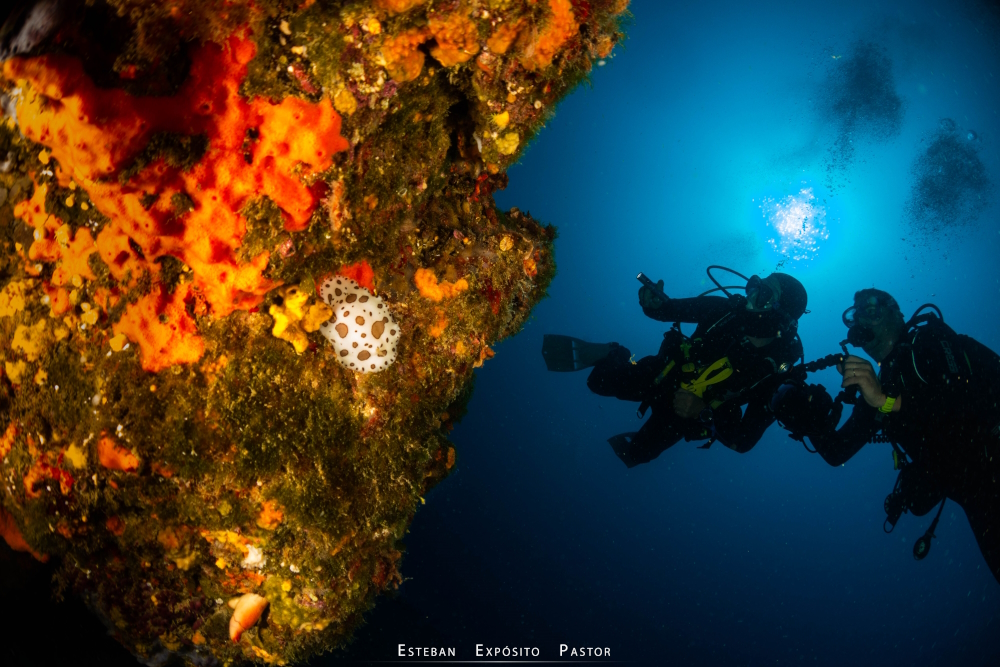
Your lens choice affects almost everything underwater. It changes image quality, flexibility, travel size, cost, and the types of subjects you can shoot on the same dive.
A native lens setup usually gives the cleanest result for one specific job. A wet lens setup gives you more freedom during the dive. Both can be the right choice. The better option depends on how you dive and what you want to shoot.
In simple terms, native lenses are best when you want top performance for one style of shooting. Wet lenses are best when you want to adapt underwater and cover more than one type of subject on a single dive.
What a native lens means underwater
A native lens setup means you choose your lens before the dive. You then match it with the right housing port.
For wide angle, that often means a dedicated wide lens behind a dome port. For macro, it usually means a dedicated macro lens behind a flat port. This setup is built for one clear purpose.
That is the main strength of native lenses. Everything is designed around a single job, so the result is usually more refined.
This approach is still very common with DSLR systems and serious wide-angle shooters. It is also the standard choice when image quality matters most and the dive plan is already clear.
What a wet lens means underwater
A wet lens is an external optic that attaches to the front of a flat port. It is made to work in water.
Its role is usually simple. It either helps you go wider or helps you get closer.
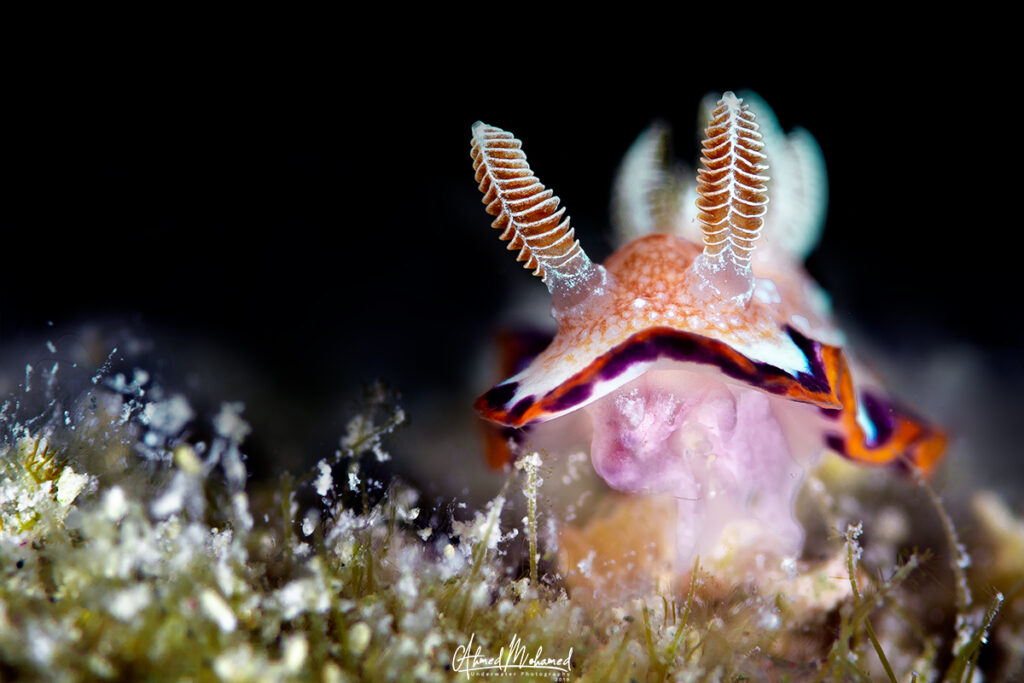
A wide wet lens gives you a broader field of view. That helps with reefs, wrecks, divers, and larger marine life. A macro wet lens helps you shoot smaller subjects at higher magnification. That is useful for nudibranchs, shrimp, and tiny reef life.
The biggest advantage is flexibility. You can often add or remove a wet lens during the dive. That means one dive can include both wider scenes and close-up subjects.
The real difference underwater
The easiest way to think about it is this:
A native lens setup is for commitment.
A wet lens setup is for adaptability.
When you dive with a native wide-angle lens and dome port, you are planning for reef scenes, wrecks, big animals, or split shots. When you dive with a native macro lens, you are planning for macro only.
That gives you a setup optimized for one task. At the same time, it limits your ability to switch directions underwater.
Wet lenses work differently. You accept some tradeoffs, but you gain freedom. You can remove a wide wet lens, add a macro wet lens, or keep the rig simple and keep shooting.
That matters on mixed dives. A turtle, a reefscape, and a tiny nudibranch can all appear on the same dive. Wet lenses let you react when that happens.

Why native lenses still matter
Native lenses still make the most sense when the dive has a clear purpose and quality comes first.
For wide angle, a dedicated native lens with a dome port is still the cleanest solution. You usually get better corner sharpness, easier split shots, and fewer optical limits.
For macro, native lenses also have an important benefit. They do not force the same very short working distance that strong macro wet lenses often create. That can make the shot easier when there is current, surge, or a shy subject.
Native setups also feel more direct once they are built for the task. You know what the system is for before you enter the water, and you shoot around that strength.
Why wet lenses became so popular
Wet lenses became popular because underwater conditions are unpredictable.
A dive that looks perfect for wide angle can suddenly become a macro opportunity. A macro dive can suddenly turn into a chance to shoot a turtle, manta, or diver in the scene.
Wet lenses help solve that problem. They let you adapt instead of accepting that you brought the wrong setup.
They also make financial sense for many shooters. A native-lens system often means buying multiple lenses and multiple ports. A wet-lens system can reduce that cost by using one base setup and changing optics when needed.
Travel is another major reason people choose them. Large dome ports take more space, need more care, and add weight to your luggage. Wet lenses are often easier to pack and easier to manage on the road.
Wide angle: native wide lens and dome vs wet wide lens
For the best dedicated wide-angle quality, native wide lenses still hold a strong advantage.
You get a lens working in the way it was intended, paired with a known port setup. That usually means cleaner edges, better image quality, and a simpler path to split shots.
Wet wide lenses, though, have improved a lot. They are no longer a small compromise for basic systems only. On the right compact or mirrorless setup, they can deliver very strong results.
Their biggest strength is flexibility. You can shoot wide scenes, then remove the wet lens and return to closer subjects during the same dive. That makes them very practical for divers who do not want to lock the whole dive into one style.
Macro: native macro lens vs macro wet lens
Native macro lenses are often the easier choice when the whole dive is about small subjects.
You keep a more natural working range, and you do not have to manage extra glass on the front of the port. That can make the process easier with moving subjects or less stable conditions.
Macro wet lenses are useful when you want more magnification or more flexibility. They work especially well when your camera already focuses close and you want to push it further.
That extra magnification can be powerful, but it comes with a tradeoff. As magnification increases, working distance becomes shorter. Framing gets harder, and stability matters more.
So with macro, the real question is not only image quality. It is also whether you want a dedicated macro dive or a more flexible setup that can still handle macro.
Compact cameras are the clearest case
Compact cameras are the easiest category to understand.
Most compact systems have fixed built-in lenses. If you want strong wide-angle or macro performance, wet lenses are usually the way to get there.
That is why wet optics became such a core part of compact underwater photography. One camera can cover normal shooting, then become much more capable with the right add-on lens.

Mirrorless is where the choice gets more interesting
Mirrorless systems sit between compact cameras and DSLRs.
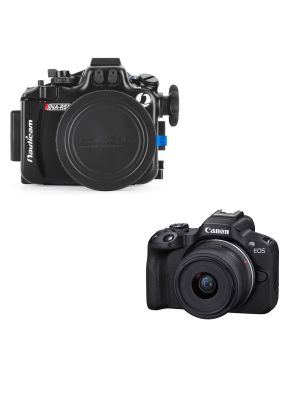
They have interchangeable lenses, but some are still small enough to work very well with wet optics. That creates two real paths for underwater shooters.
The first path is the classic one. You use a native wide lens with a dome port or a native macro lens with a flat port. This route is about getting the best dedicated result.
The second path uses a flatter-port setup with wet optics. This is often built around a standard zoom or another compatible lens. The goal is to get more than one type of shot from the same dive.
That second path is now a serious system choice. It is no longer just a workaround.
DSLR shooters usually have a simpler answer
For most DSLR users, the answer is still more straightforward.
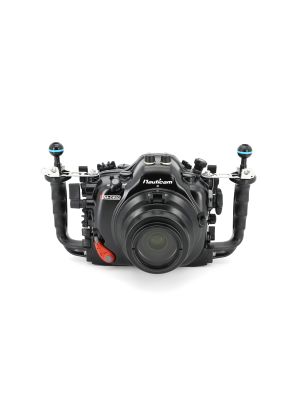
DSLR lenses are often larger, and that makes wet-lens pairing less practical in many cases. Because of that, DSLR underwater systems usually stay tied to native lenses and matching ports.
If you shoot DSLR, you are usually deciding before the dive whether the setup is for wide angle or macro.
Which one should you choose?
Choose native lenses if these points sound like you:
- You want the best dedicated optical result.
- You shoot often enough to justify multiple lenses and ports.
- You care most about wide-angle quality, split shots, cleaner corners, and a more focused macro workflow.
Choose wet lenses if these points fit better:
- You want one rig to do more than one job.
- You travel often and want a smaller setup.
- You shoot a compact or a compatible mirrorless system.
- You want to switch between wide and macro during the dive.
- You want better control over cost, size, and packing.
My honest recommendation
If you already know exactly what the dive is for and care deeply about the cleanest dedicated result, native lenses are still the stronger choice.
If your dives are unpredictable, your subjects change often, or you hate being locked into one perspective, wet lenses are often the smarter choice.
For compact cameras, wet lenses are usually the natural answer.
For mirrorless systems, the choice depends on how much you value flexibility compared with dedicated performance.
For DSLR systems, native lenses still make the most sense most of the time.
Final takeaway
This is not really about one option being universally better.
It is about how you want to work underwater.
Native lenses reward planning and specialization. Wet lenses reward flexibility and quick changes.
One setup gives you a more dedicated optical solution. The other gives you more freedom when the dive changes in front of you.
The best choice is the one that fits the dives you actually do, the subjects you actually chase, and the kind of underwater photographer you want to become.
If you want, I can also make this even more Yoast-friendly by tightening it further for SEO readability and adding stronger keyword-focused subheadings.


