
 CAD
CAD
Types of Underwater Camera Floats: STIX vs. Float Arms vs. Dome Floats
Underwater Camera Buying Guide
The different types of underwater camera floats all add buoyancy, but they do not solve the same problem. Therefore, the right choice depends on where your rig is heavy, how often your setup changes, and how much lift you need.
Quick answer: For affordable, incremental adjustments on compatible arms, choose STIX-style foam floats. Alternatively, use integrated float arms for a cleaner system with more built-in lift. Finally, choose a dome or port float when the front of the housing is the main source of negative buoyancy.
First, Identify Where Your Camera Rig Is Heavy
Before choosing a float, look at the complete underwater camera system: housing, port, lens, tray, arms, clamps, strobes, video lights, monitor, batteries, and accessories. Then ask four simple questions:
As a result, your answers reveal not only how much buoyancy you need, but where that buoyancy should be placed. That is the key to choosing among the different types of underwater camera floats.
1. STIX and Add-On Foam Floats
Best for fine-tuning
Small changes without replacing your arms
STIX floats are individual pieces of non-compressible foam that slide onto compatible strobe arms. Because you can add, remove, or reposition them, they are one of the easiest ways to tune a rig in small increments.
Why I use them
I started with the standard four-float package. After testing my current setup, I added two more and now use six – three on each side. That modular approach let me find the right balance without rebuilding the arm system.
For example, they are especially practical for compact and mid-size rigs or for photographers who switch between lighter macro and heavier wide-angle configurations.
Compatibility note: Add-on floats must match the shape and size of the arm. Therefore, confirm the physical arm style before purchasing rather than assuming that every float fits every brand.
2. Integrated Underwater Camera Float Arms
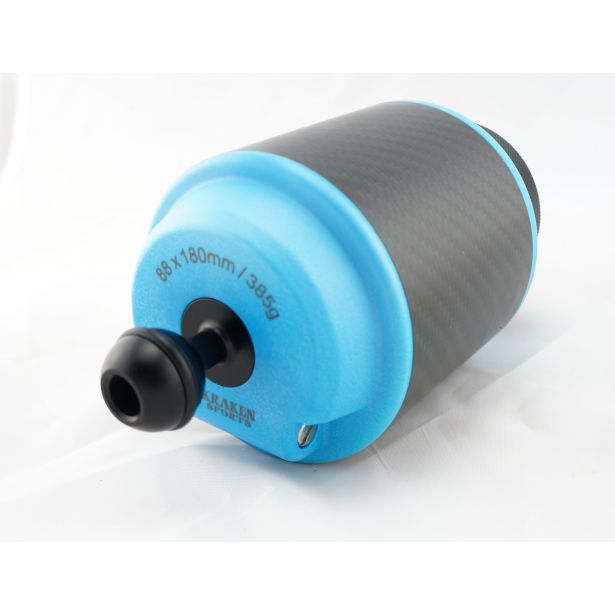
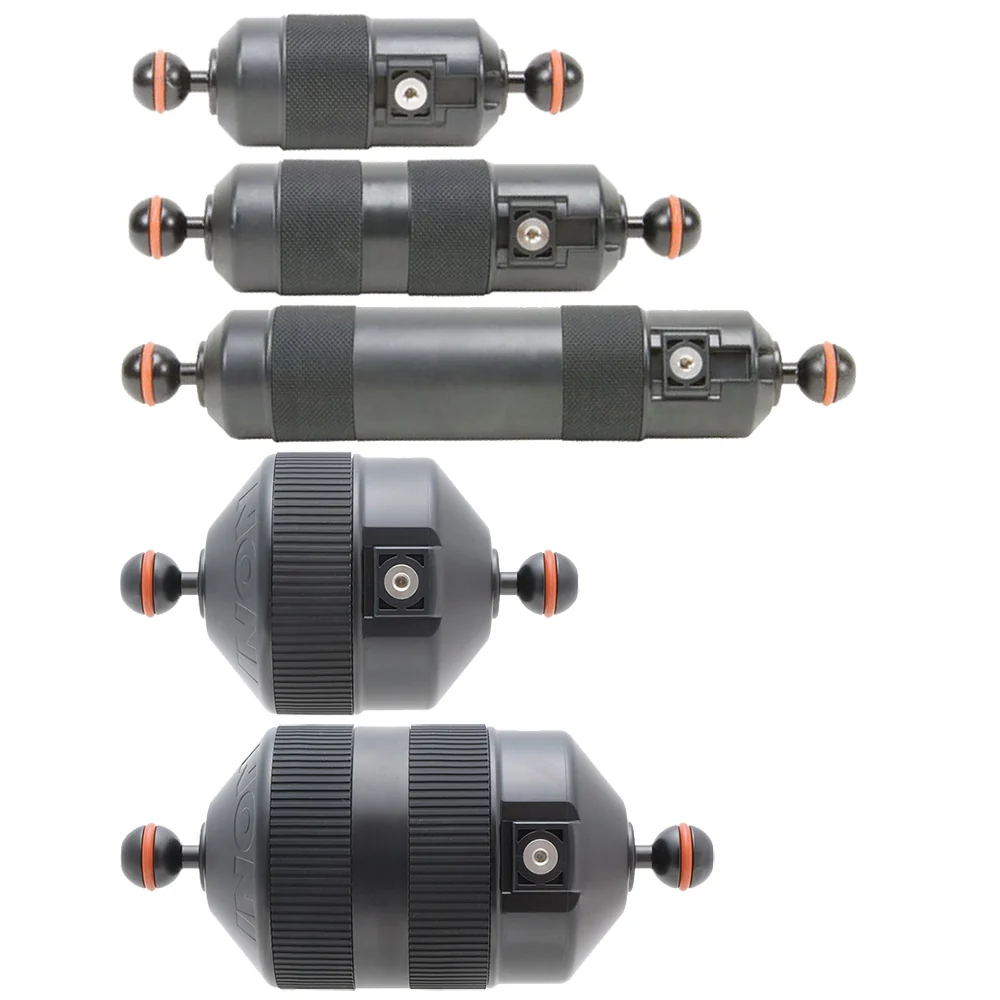
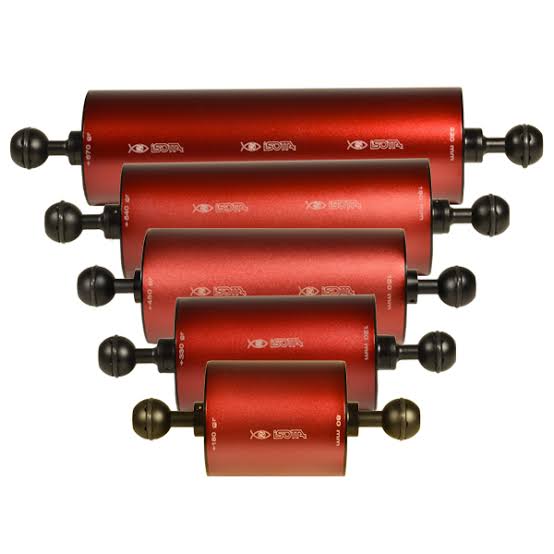
A float arm combines two jobs in one component: it positions a strobe or video light and provides positive buoyancy. Many models use standard one-inch ball ends and connect with clamps in the same way as conventional ball-joint arms.
For this reason, float arms are a strong option when you are building a new system, replacing existing arms, or need more lift than small add-on floats can provide. In addition, brands such as Kraken, INON, Isotta, and Nauticam offer different lengths, diameters, and buoyancy levels for compact through professional rigs.
Advantages
Clean configuration, built-in lift, multiple sizes, and strong support for strobes or video lights.
Considerations
Usually costs more than add-on foam, and changing the amount of lift may require a different arm size or another float.
Front-Heavy Systems
3. Dome Port and Port Floats
Large dome ports and heavy lens-port combinations can pull the front of a housing downward. A buoyancy ring or collar positioned around the port adds lift near the source of that weight instead of placing all the buoyancy on the lighting arms.
As a result, this can improve front-to-back balance and reduce the effort required to hold the camera level. However, port floats are typically fit-specific, so confirm the port diameter, shade, extension, and manufacturer’s compatibility before installation.
4. Dedicated Buoyancy Collars and Specialty Floats
Some wet lenses, video lights, monitors, and other accessories have dedicated buoyancy collars designed around their exact shape. In addition, you may find buoyancy tubes or larger foam systems that attach to compatible arms.
These options are useful when one specific component creates the imbalance. Even so, use only a collar or float designed to mount securely without blocking controls, vents, batteries, locking mechanisms, or the movement of the arm system.
Underwater Camera Float Comparison
| Float Type | Best For | Adjustability | Main Consideration |
|---|---|---|---|
| STIX / add-on foam | Fine-tuning an existing compatible arm system | High – add, remove, or reposition pieces | Must fit the arm profile |
| Integrated float arms | New builds, cleaner layouts, and heavier rigs | Medium – choose arm size and buoyancy | Higher cost; lift is less incremental |
| Dome / port floats | Front-heavy ports and large domes | Low to medium – model dependent | Requires precise port compatibility |
| Dedicated collars | A specific heavy lens, light, or accessory | Low – usually accessory specific | Must not obstruct controls or locks |
How to Choose the Right Float for Your Setup
First Step
Test the complete rig
Include the batteries, lights, lenses, ports, arms, and accessories you will actually use.
Second Step
Observe pitch and roll
Notice whether the whole rig sinks or whether the problem is concentrated at the front, back, or one side.
Third Step
Add lift near the weight
Place buoyancy strategically instead of adding the same amount everywhere.
Final Step
Retest every configuration
A macro setup may balance differently from the same camera with a wide-angle dome and larger lights.
Mozaik Tip
Comfortable and controlled beats perfectly neutral
Do not make the process more complicated than it needs to be. First, start with the area that feels heaviest, add buoyancy gradually, and stop when the rig feels comfortable and predictable. The goal is not to make the camera float away. Instead, the goal is to spend the dive thinking about your images – not your wrists.
Frequently Asked Questions
Are float arms better than foam floats?
Neither is universally better. On one hand, float arms provide a clean, integrated solution and can offer substantial lift. On the other hand, add-on foam floats are usually more affordable and easier to adjust in small increments.
Can I combine float arms and STIX floats?
Yes, when the components are physically compatible. For example, some photographers use float arms for most of the lift and add smaller foam floats for final balance adjustments.
When do I need a dome port float?
Consider a dome or port float when the front of the rig drops even after the rest of the system feels reasonably buoyant. Always verify that the float is designed for your exact port configuration.
What size float arm should I choose?
Choose based on the lift required, desired arm reach, light weight, and available space. Finally, compare the manufacturer’s buoyancy specification and confirm ball-mount compatibility before ordering.
Build a Better-Balanced Underwater Camera Rig
Choose adjustable foam floats for fine-tuning or integrated float arms when your system needs more built-in lift.

About the Author
Mari Herrarte
Mari has been diving for 15 years and loves spending time in the ocean, surrounded by nature. She is also passionate about photography and capturing the beauty she discovers underwater.
- Cabo Pulmo Diving: A Beginner’s Guide – September 28, 2026
- How to Adjust Underwater Camera Settings as Conditions Change – September 22, 2026
- Why Your Underwater Photos Look Too Dark and How to Fix Them – September 16, 2026