Featured Photographers

Featured Underwater Photographer – Sera Brown

One of the best ways to learn photography is to see other photographers’ work. Mozaik looks for some of the best underwater photographers in the world, and showcases their work, along with the gear they use, to help other aspiring photographers improve, learn new skills and get inspired.

This week we will feature the talented Sera Brown!
About Sera

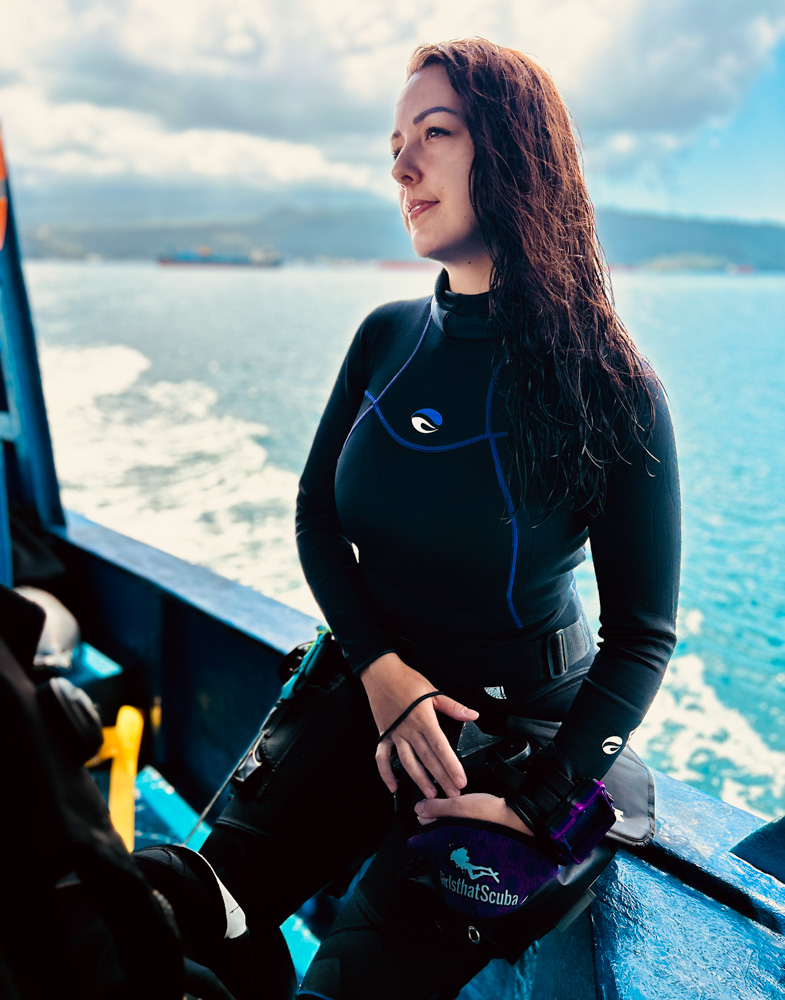
Sera’s background and passion is in wildlife conservation, having spent the past decade working in the field with sea turtles and other marine life, as well as in environmental education, policy advocacy and project management for various environmental NGOs.
 
Sera grew up in the United States, but has lived in Singapore since 2019 and travels often, for work and pleasure, especially within the Coral Triangle. Surprisingly, though, she only became a certified scuba diver in 2021, and didn’t get started with underwater photography until 2022.
 
These days Sera takes every chance possible to get in the water, having logged nearly 100 dives in 2023 alone. Her favourite type of underwater photography is macro, especially muck diving, because of the sheer diversity of small and interesting marine life and the thrill of finding rare and hidden species amongst the rubble and sand. She also loves pulling out her (many!) ID books to figure out which species she saw on her dives.
 
As her confidence and experience grows, Sera is looking forward to trying new techniques and showcasing her creativity whilst bringing awareness to the beauty of marine wildlife and importance of conserving our natural world.

Sera‘s Gear

  • Olympus TG-6
  • Nauticam housing NA-TG
  • Backscatter Mini Flash 2 strobes (1 or 2 depending on shot/conditions)
  • Weefine Smart focus 1200R
  • Backscatter Optical Snoot
  • Backscatter colour filter systems

Sera’s Work
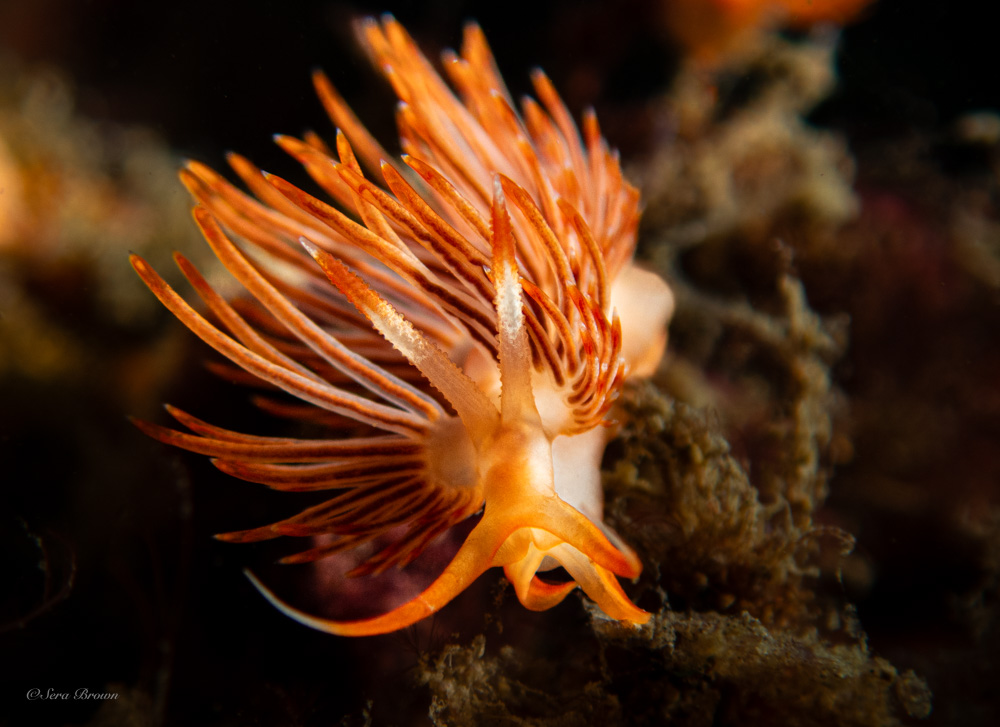
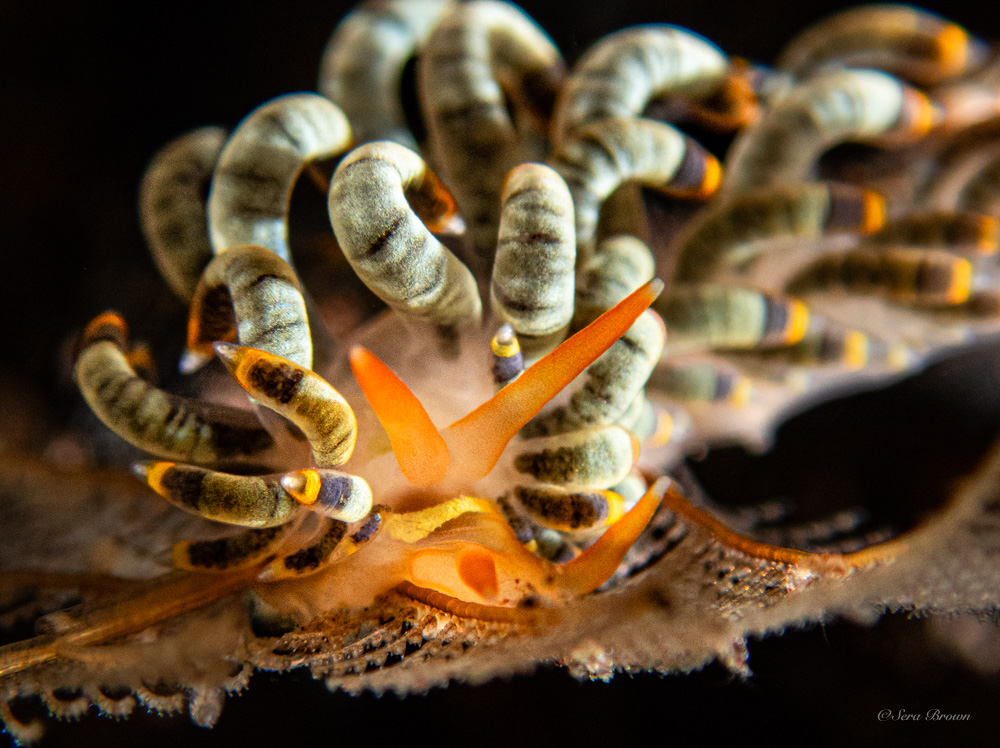
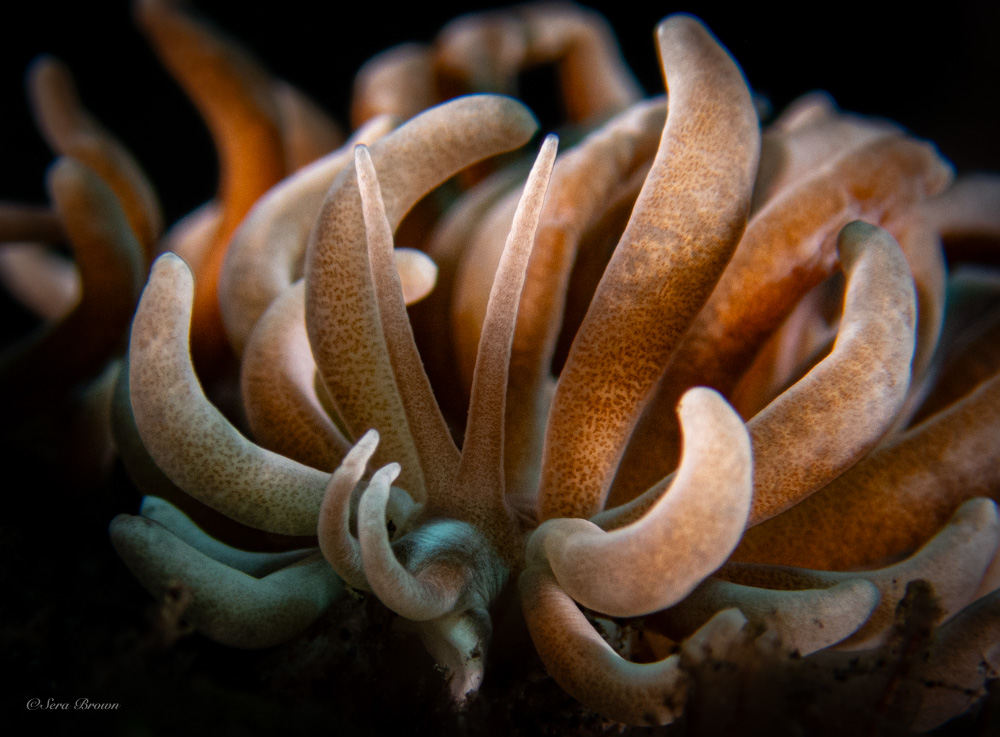
Sakuraeolis nungunoides, Lembeh, Indonesia. This species is known for its aggressive display of erecting and quivering its long orange cerata, which it directs towards perceived threats. This unique behaviour is also reflected in its naming (“Nungunungu” means porcupine in Swahili).

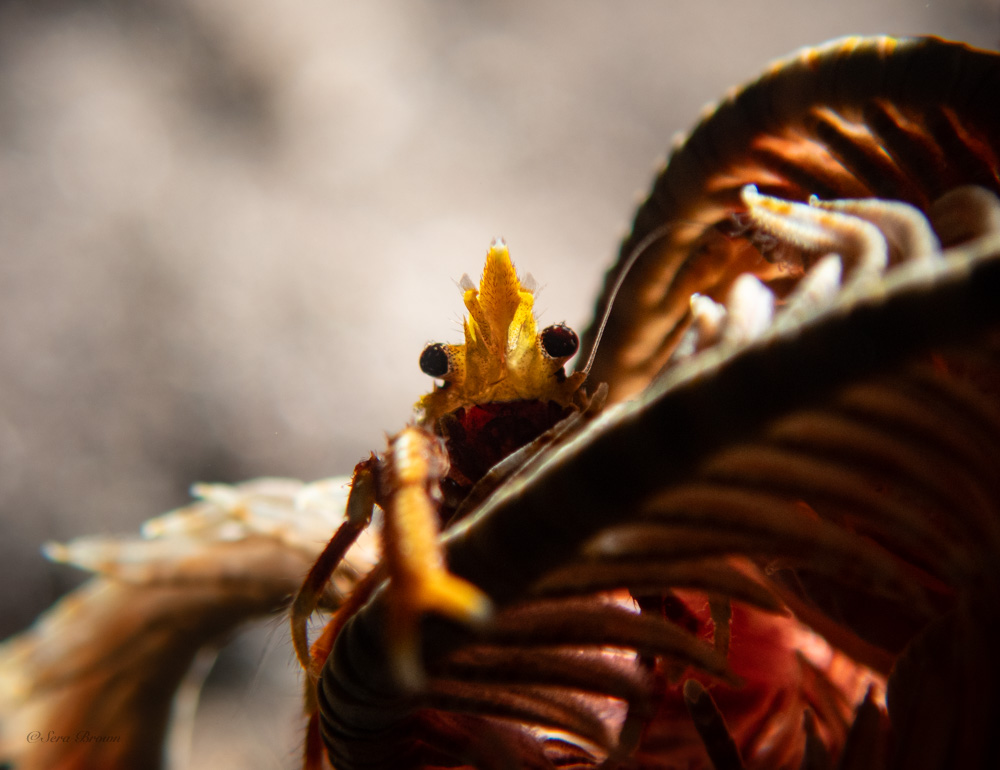
Crinoid squat lobster, Tulamben, Indonesia. I was delighted that this adorable Crinoid squat lobster peered out to pose for this photo. It was quite unbothered by my presence, perhaps because it felt safe in its home of stinging hydroids.

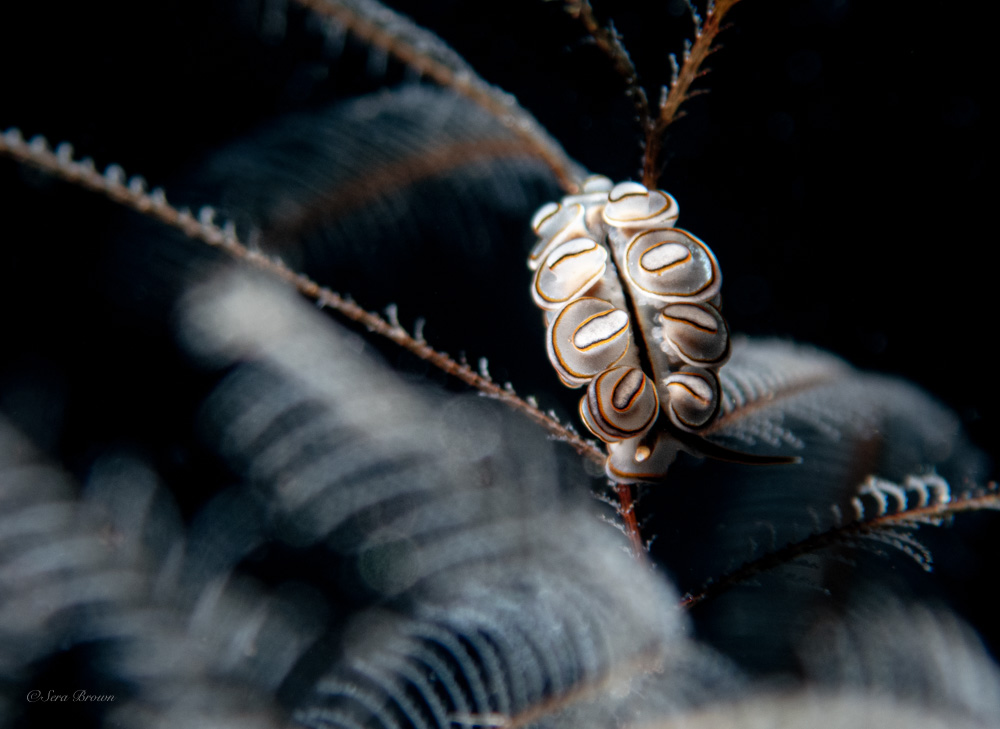
Doto greenamyeri, Tulamben, Indonesia. A relatively small nudibranch at under 15mm, it is affectionately known as the ‘donut’ nudibranch due to its unusual body shape and markings.

Coconut octopus, Lembeh, Indonesia. My one and only encounter with a coconut octopus! It was fascinating to watch it interact with shells and other objects, picking them up and before deciding which was worthy of becoming its new home.

Trinchesia sp., Tulamben, Indonesia. Came across this stunning nudibranch munching on a hydroid, a favourite food and the source of its potent stinging defense.

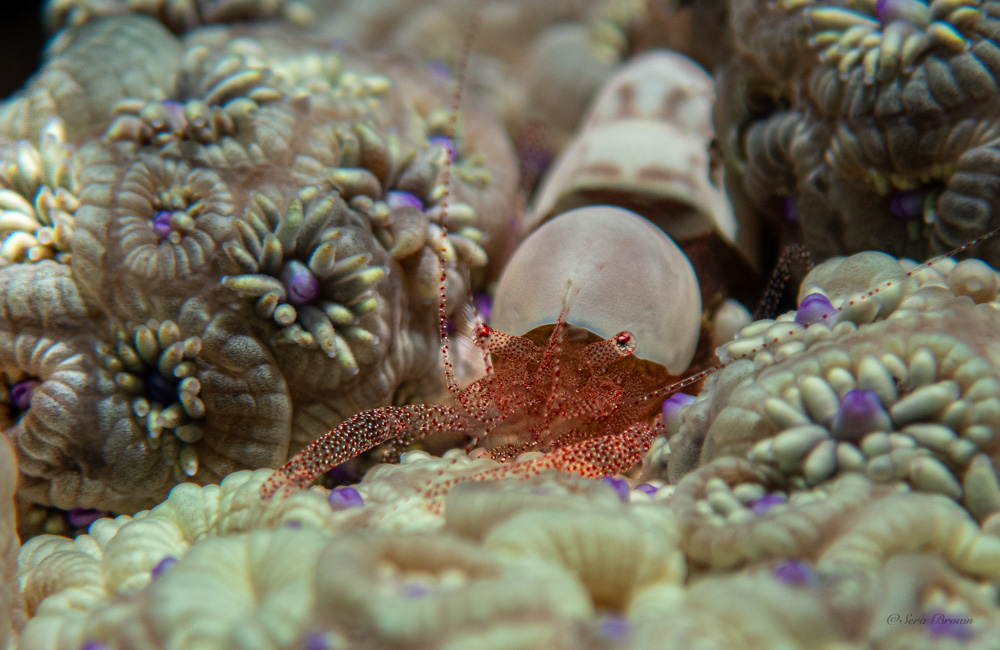
Eggshell shrimp, Tulamben, Indonesia. Eggshell shrimp get their name from their white domed backside. They are known to have commensal relationships with Goniopora (the ‘flower pot’ coral shown here), which provide shelter and camouflage for the shrimp.

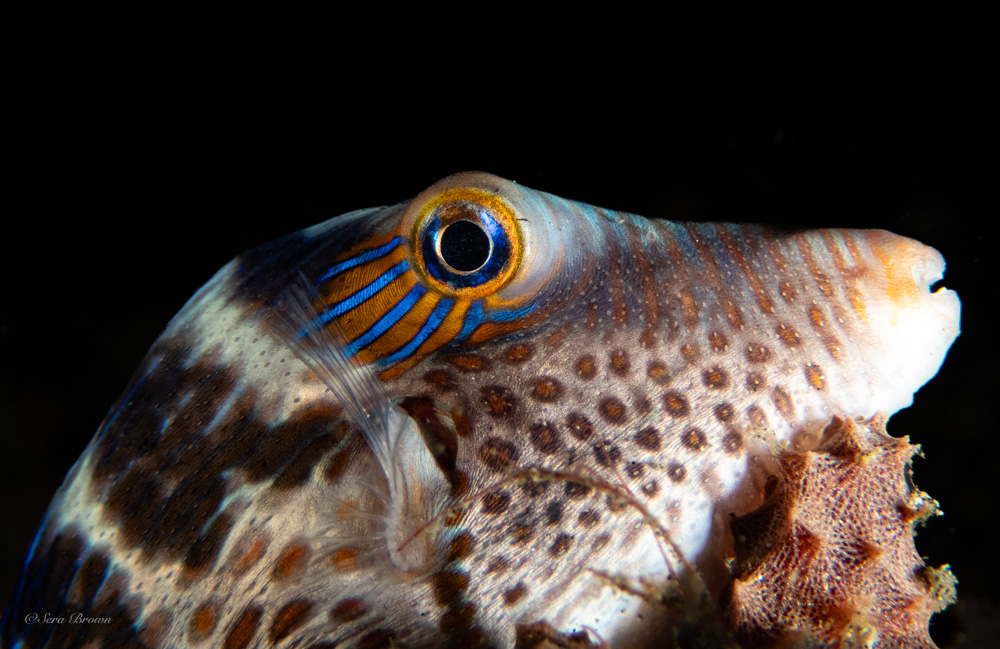
Valentin’s sharpnose puffer, Lembeh, Indonesia. This puffer’s skin and tissues contain a neurotoxin called textrodoxin, which is lethal to many would-be predators. Like other puffer fish species it can also ‘puff’ itself up to look more intimidating.

Phyllodesmium colemani, Tulamben, Indonesia. Phyllodesmium sp. are experts at avoiding predators as they closely mimic their favourite food source: soft coral polyps. They store and “farm” the corals’ photosynthetic algae, providing additional energy and earning them a reputation of being “solar powered.”

Flounder, Tulamben, Indonesia. This flounder was extremely curious and followed me around for more than 10 minutes, possibly hoping I would give it food.

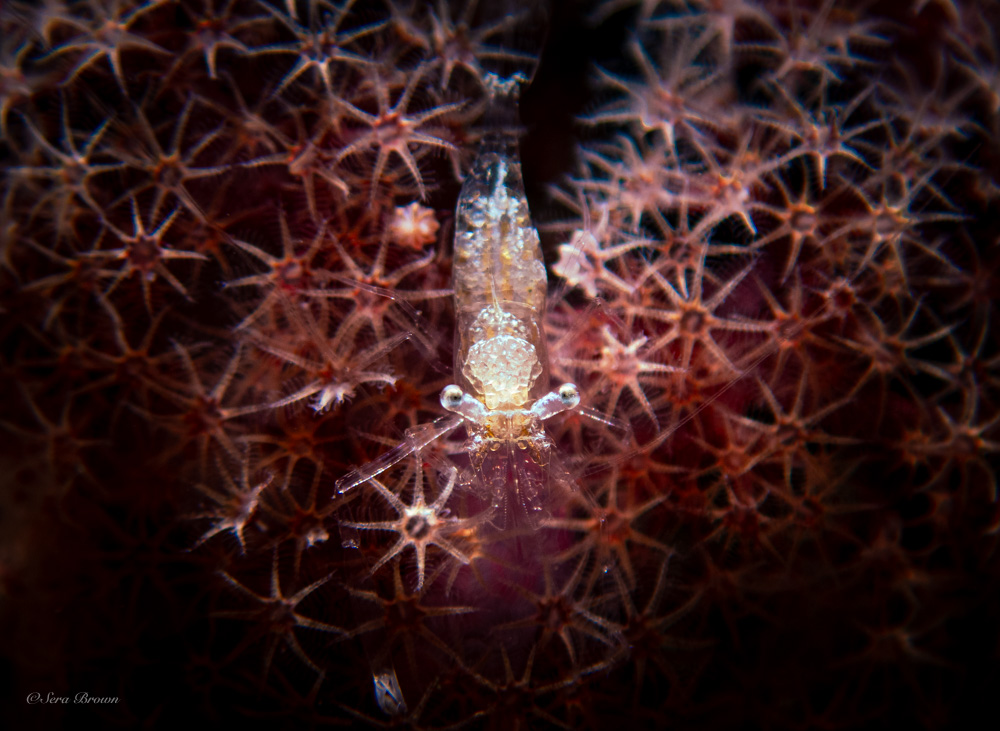
Soft coral shrimp, Lembeh, Indonesia. Came across this completely transparent with all organs clearly visible beneath its skin hiding in the most beautiful pink, heart shaped soft coral.

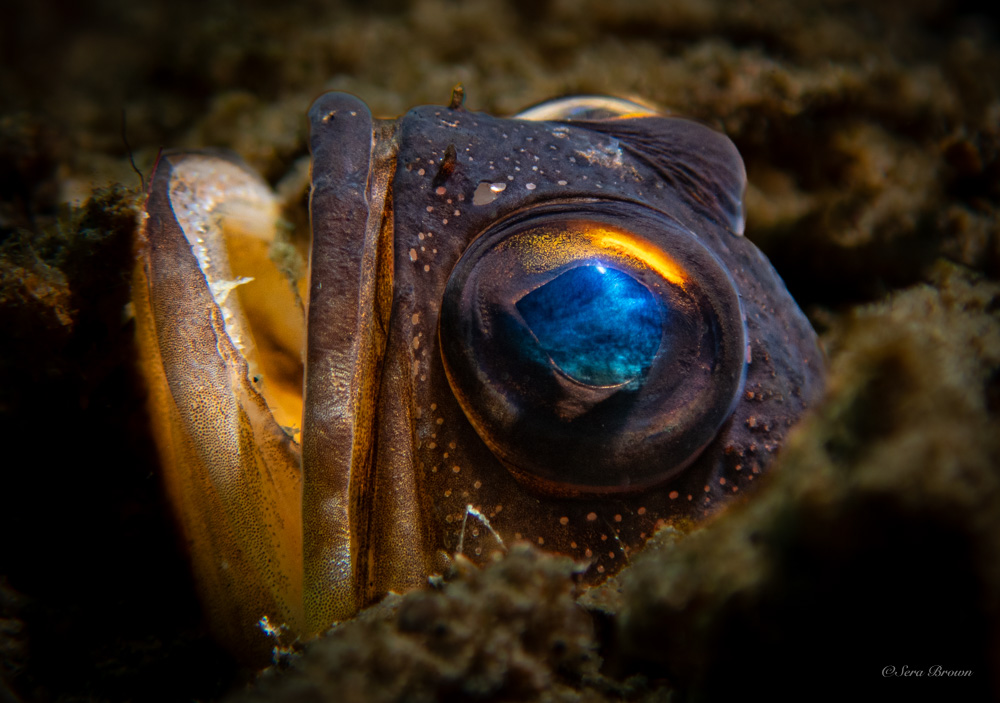
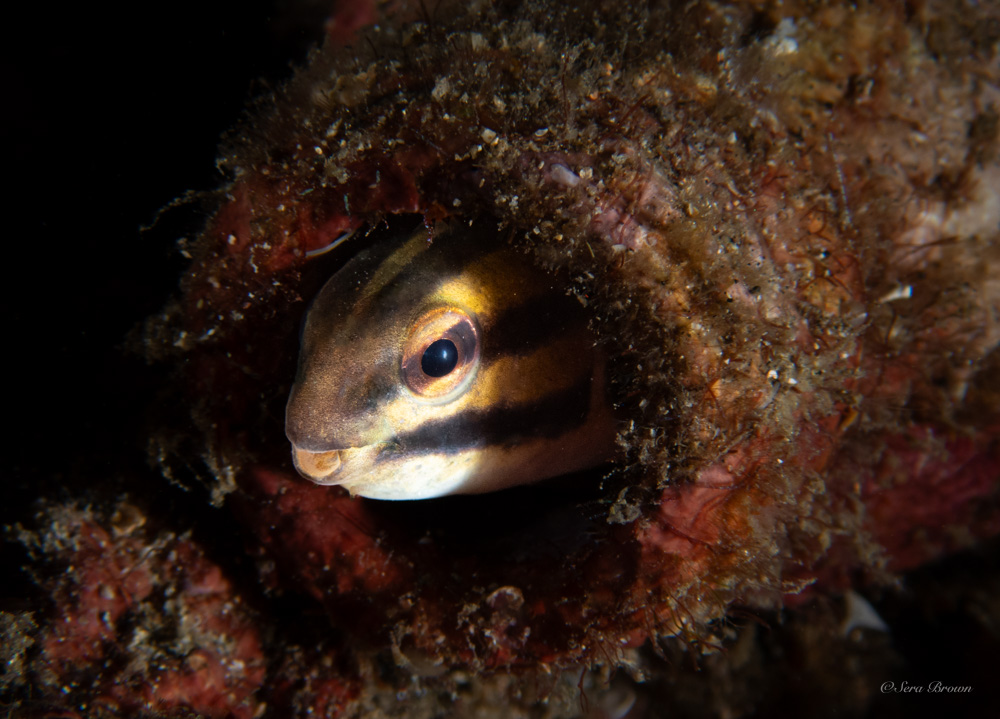
Yellow barred jawfish, Lembeh, Indonesia. This species is not only beautiful but quite extraordinary as well, as the males brood their eggs in their massive mouths.

Coryphellina sp, Tulamben, Indonesia. Spent a good part of my dive watching this Pale Coryphellina dance and twirl around a patch of Christmas Tree hydroids, its primary food source.

Goby, Lembeh, Indonesia. One of many gobies we saw living inside glass bottles in Lembeh Strait.

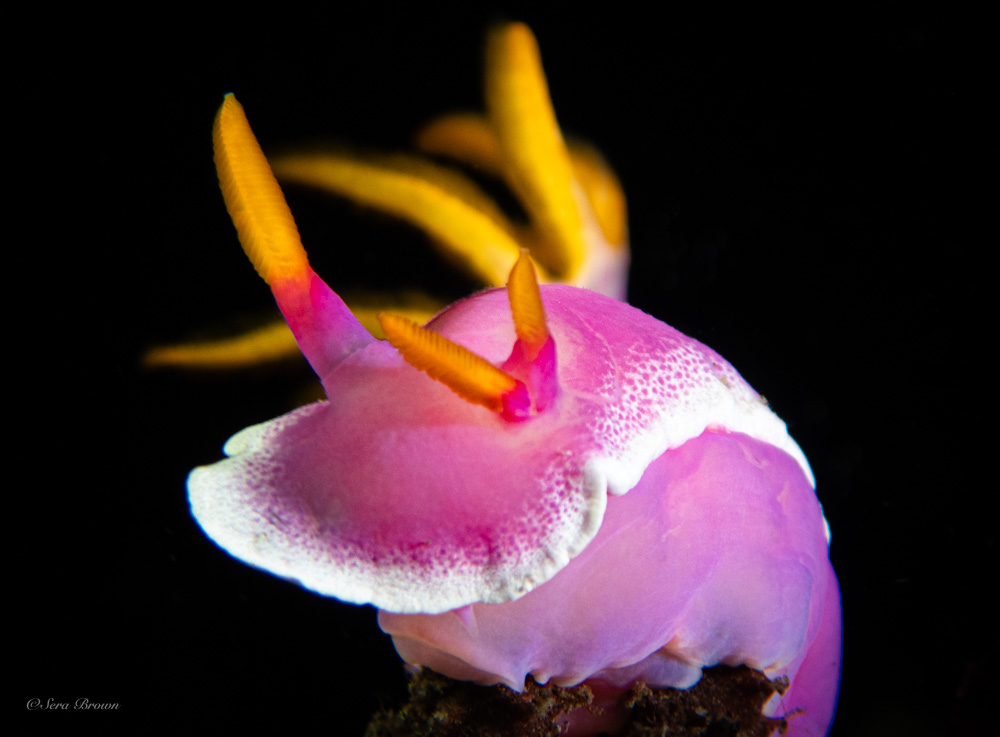
Thorunna punicea, Lembeh, Indonesia. Watched this very active nudibranch crawl over rocks, rubble and various sponges, stretching itself like a colourful rubberband in high contrast to the drab Lembeh seafloor.

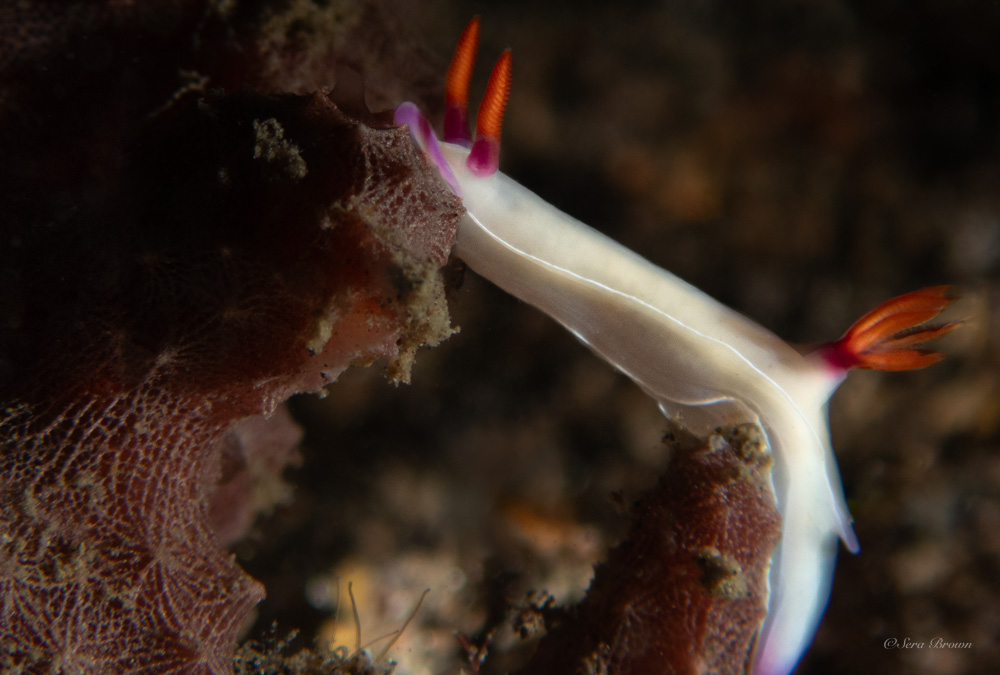
Hypselodoris apolegma, Tulamben, Indonesia. This stunning individual had three rhinophores! Nudibranchs use their antenna-like rhinophores to find food and mates and to help them sense changes in their environment, so perhaps.

Follow Sera

Instagram : @sera.brownn

Karla

Author

  • Karla

    Karla is an explorer who loves nature and outdoors. She's a PADI Open Water Scuba Instructor and has been diving since 2015. An agriculturist by profession, she has worked on different projects to improve the agriculture sector in the Philippines. She also took MSc. in Environmental Science focusing on aquatic ecosystems.

Leave a Reply

Your email address will not be published. Required fields are marked *

Time limit is exhausted. Please reload the CAPTCHA.