
 CAD
CAD
Featured Underwater Photographer – Boris Mekler
One of the best ways to learn photography is to see other photographers’ work. Mozaik looks for some of the best underwater photographers in the world, and showcase their work, along with the gear they use, to help other aspiring photographers improve, learn new skills and get inspired.
This week we will feature the talented Boris Mekler!
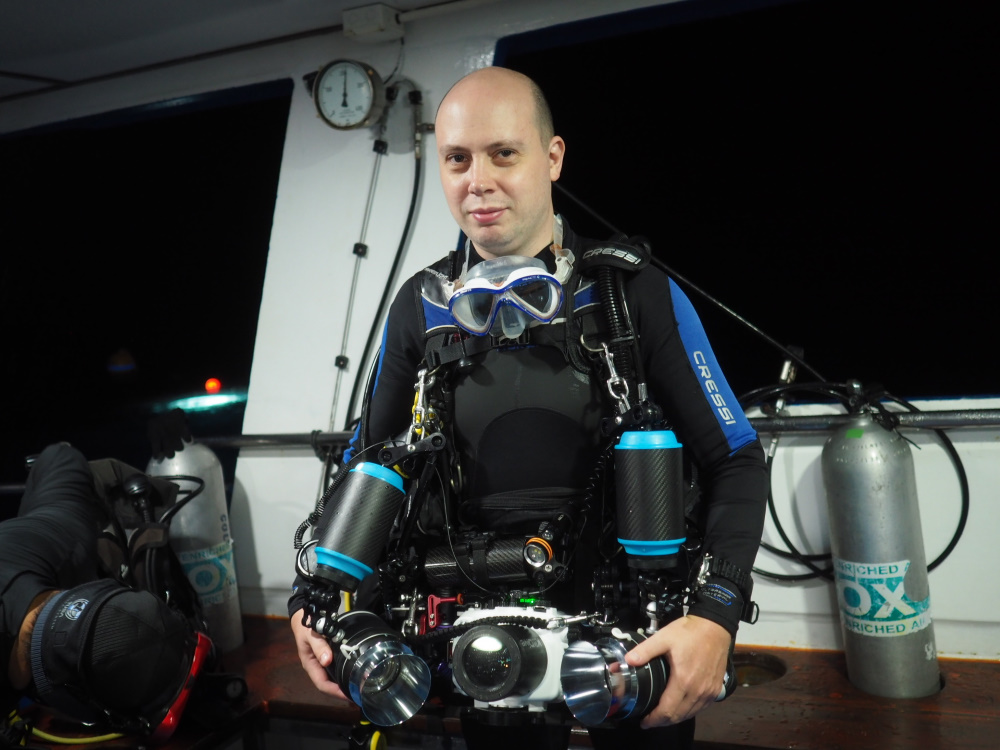
About Boris
I’m not a dive professional, and in fact, I’m pretty new to diving in general. A few years after my family made the move from Russia to Israel, we took a short vacation in Eilat, where, among other things, we did an introductory dive – the kind where an instructor is towing you by the tank valve for fifteen minutes – and this had been the extent of my exposure to diving. Still, it made an impression on the seventeen year old me, and the idea of diving in general and underwater photography in particular has stayed kind of on the periphery of my interest for years to come.
A couple decades later, I was vacationing on Koh Tao in Thailand, doing a few fun dives having just been certified, and on a passing whim, I took the PADI Digital Underwater Photographer course. There wasn’t much to the course itself – just reading through the PADI course book and doing two dives with a rented compact camera in a plastic housing, no lights or lenses – but at the end of that day, I knew I was hooked. The complex and challenging process of creating images underwater, both technical and creative sides of it, had grabbed me and did not let go. Coming home from that vacation, I did some online research, got a bit of a shock when I found how expensive housings and strobes are, but not long afterwards I had a second-hand Sony α6300 camera and a Meikon housing in my hands – and it kind of snowballed from there.
For about three years after that, I was combining trips to Thailand and the Philippines with occasional visits to Eilat and Sharm el-Sheikh, doing about fifty dives a year, but then came the big windfall in the form of COVID-19. My day job is as an IT systems administrator, and with almost all of my work being done over the Internet anyway, the transition to working from home was natural. When Thailand announced the initial reopening, I did the paperwork, breezed through quarantine, and on the first day of 2021 I had returned to Koh Tao, this time with the intent of staying for several months rather than just a few days.
That stay on Koh Tao had really enabled me to improve on my diving and underwater photography skills, both by having frequent and convenient access to diving and through meeting some amazing underwater photographers such as Alex Tyrell of Dive4Photos, Elaine Brett of Master Divers, Piers Baillie of Rocktopus, and others. Without them, I would not be where I am today. The culmination of that trip was five days on The Smiling Seahorse liveaboard with a group of photographers from all over Thailand, diving Richelieu Rock for several days and getting introduced to blackwater diving by Alex.
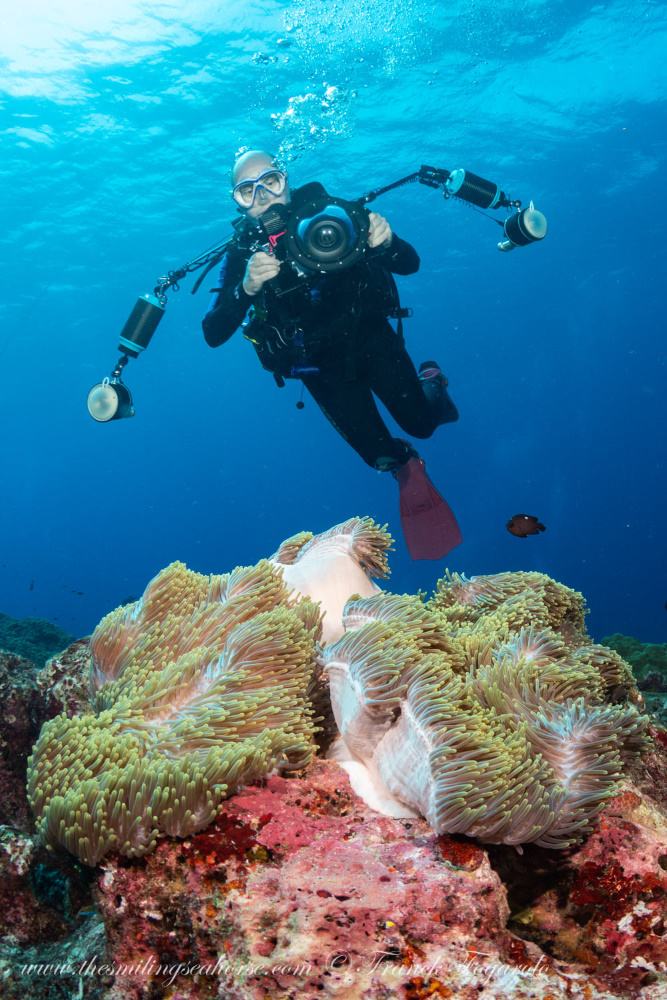
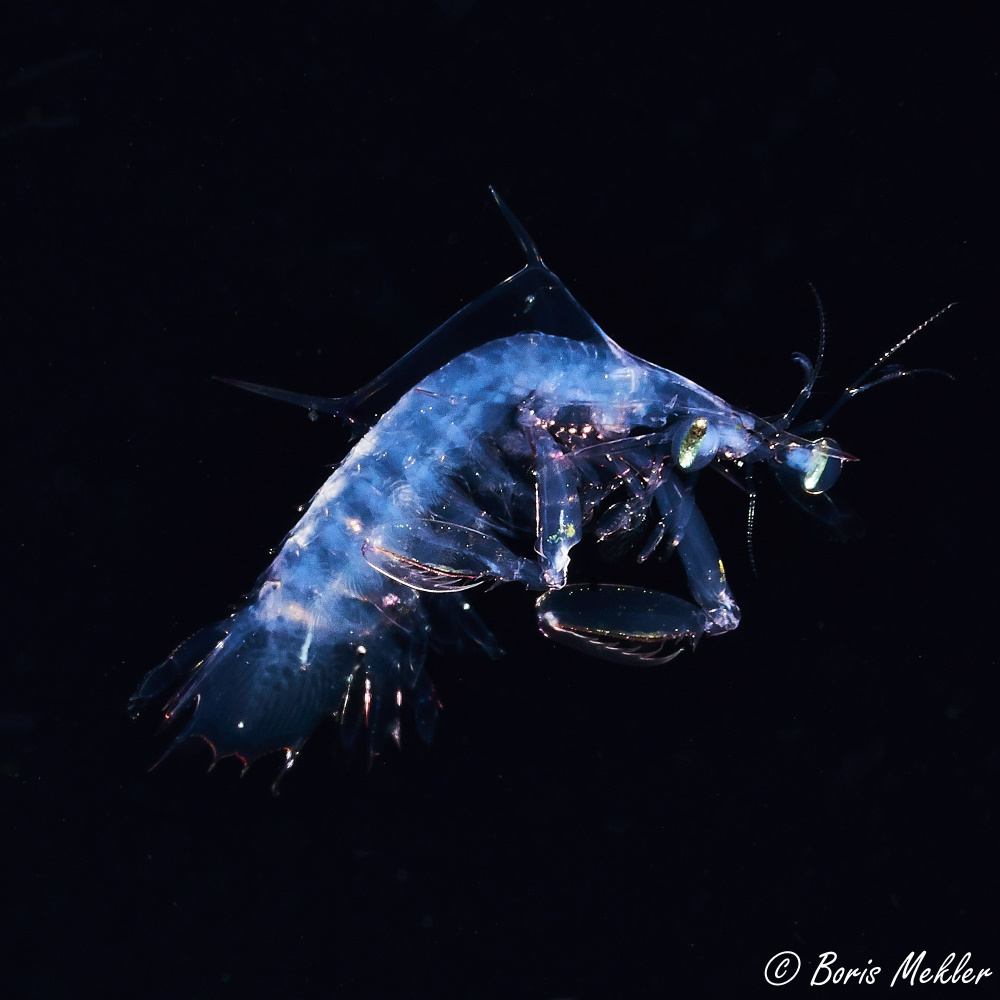
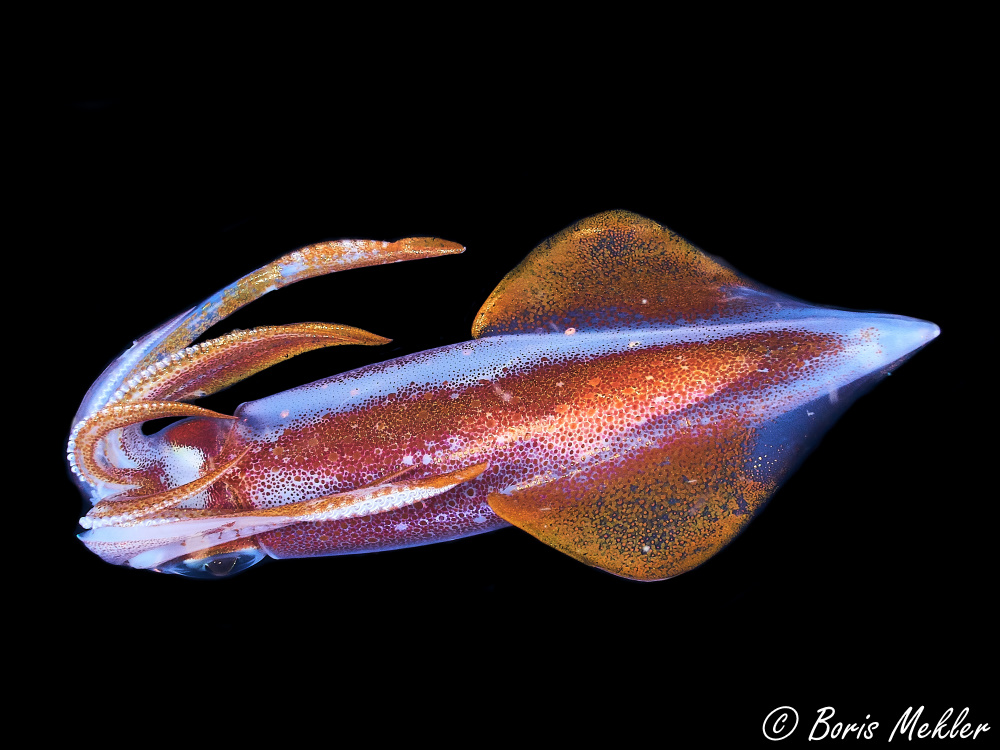
Speaking of blackwater, it has become something of a passion, and after some time spent back home, I was able to return to Thailand and keep indulging in it with the help of Franck Fogarolo and the rest of his crew at The Smiling Seahorse, who now feature one or more blackwater dives on every trip. Most of the images in my gallery would not have been possible without their help.
I still feel very much like a newbie, but every dive is another opportunity to improve. I’m using a rather eclectic mix of gear, combining an entry level housing with a mid-range camera and top-end strobes, but it works for me – the failings on my photos lie with the operator, not with equipment.
Boris‘ Gear
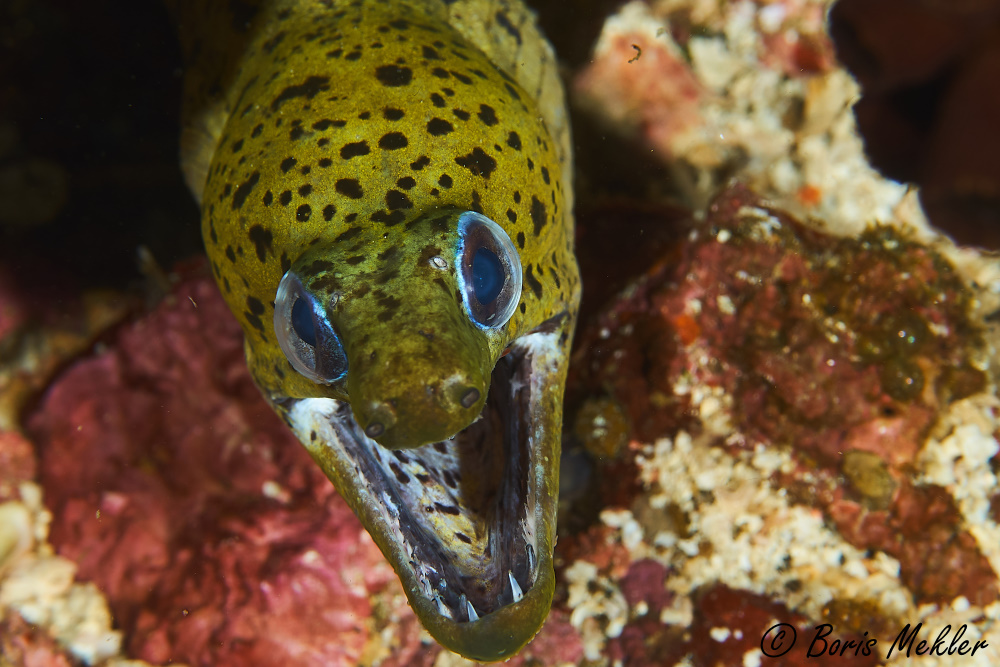
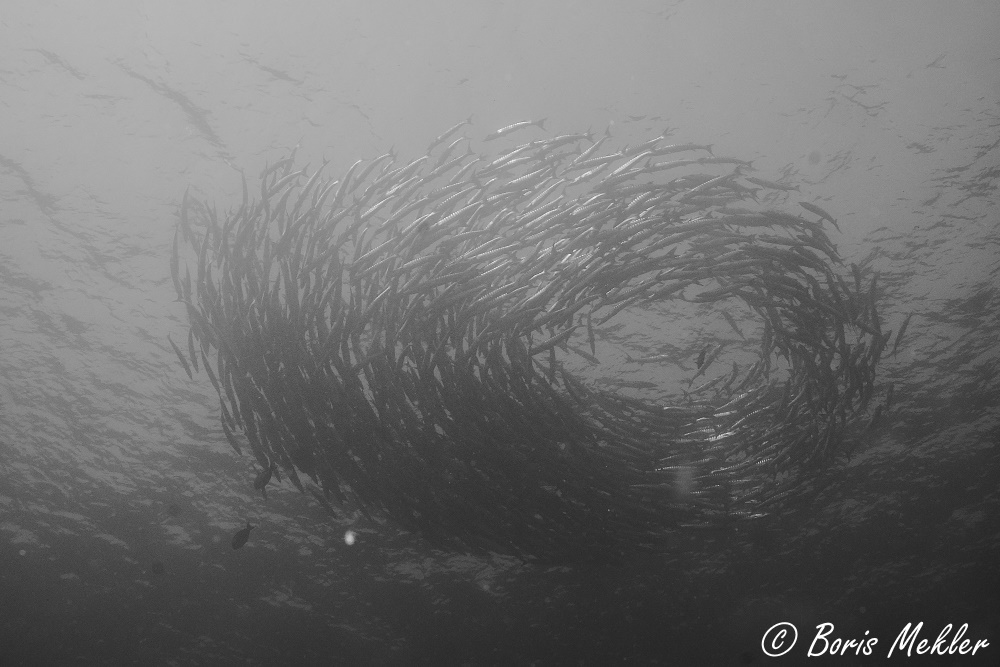
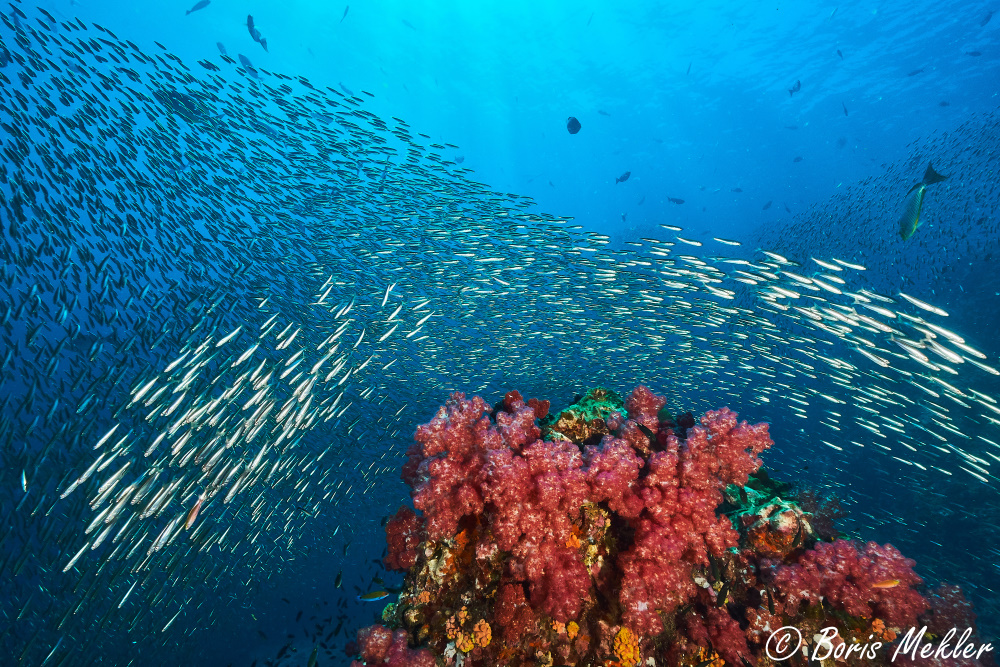
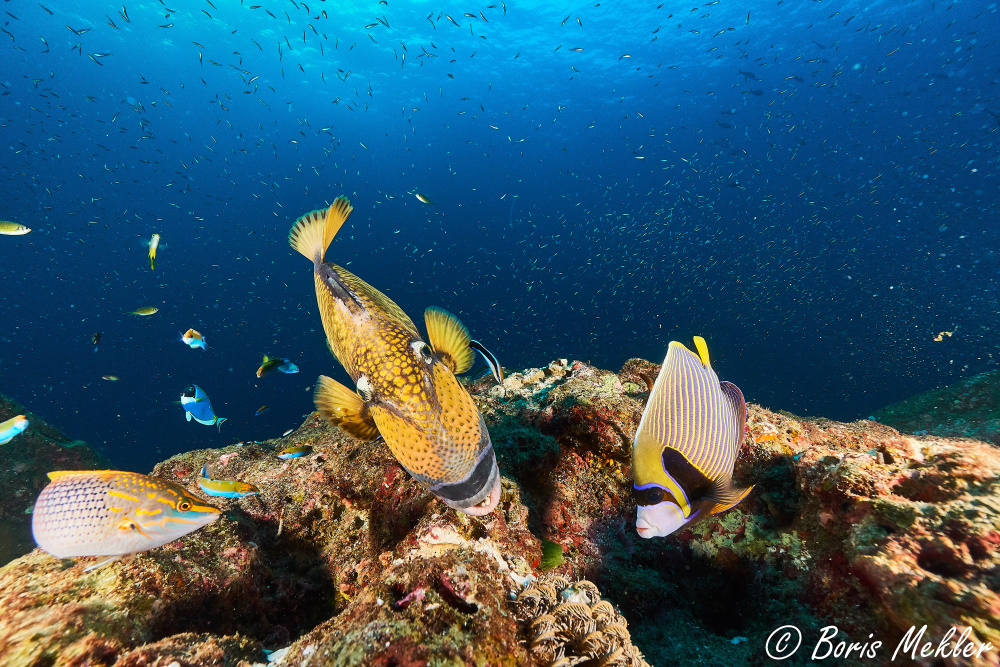
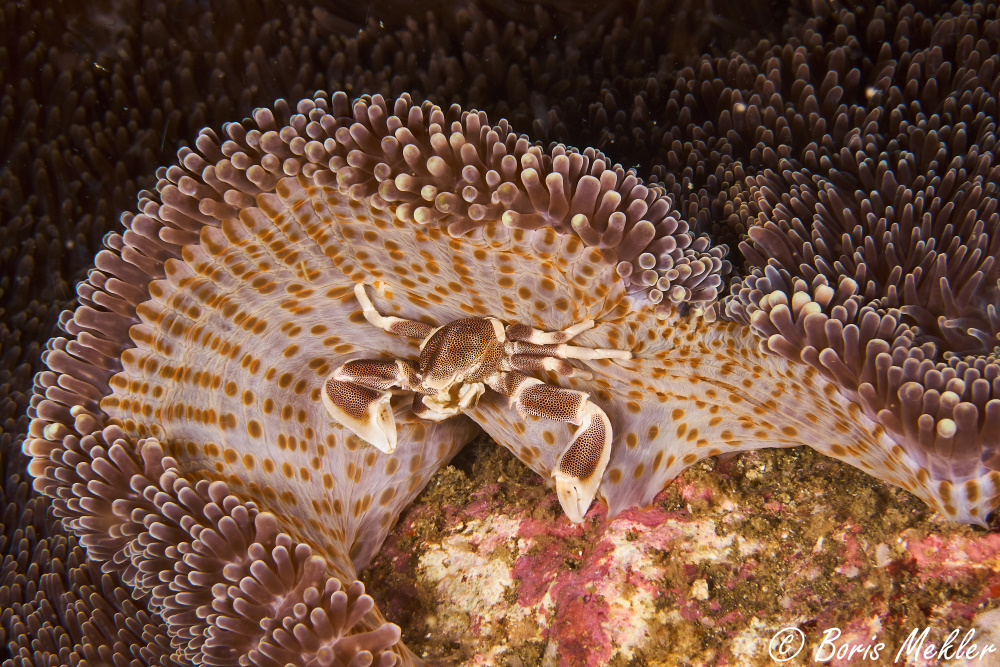
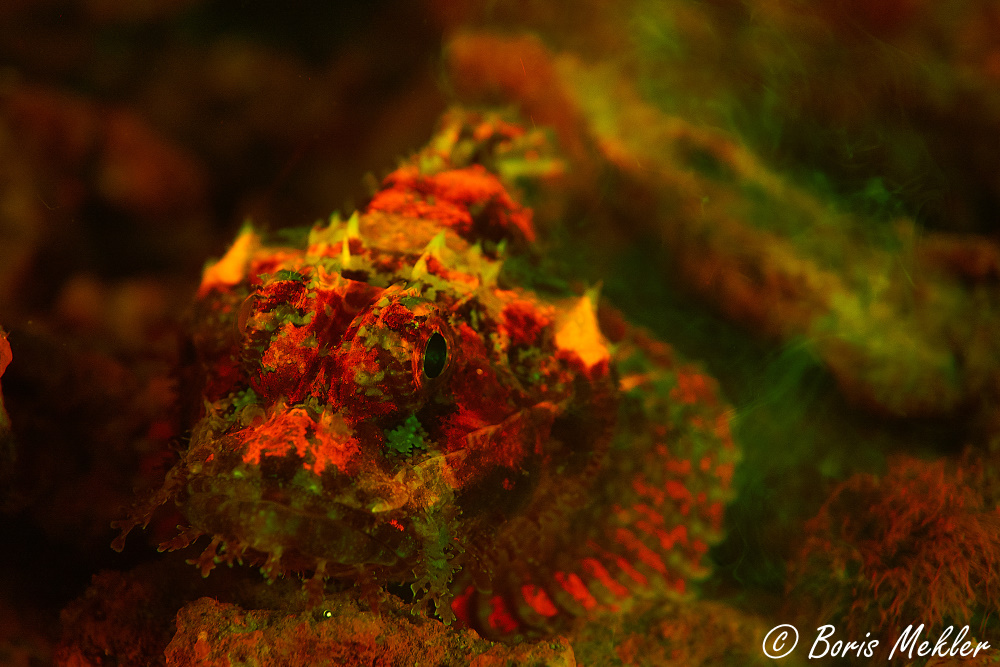
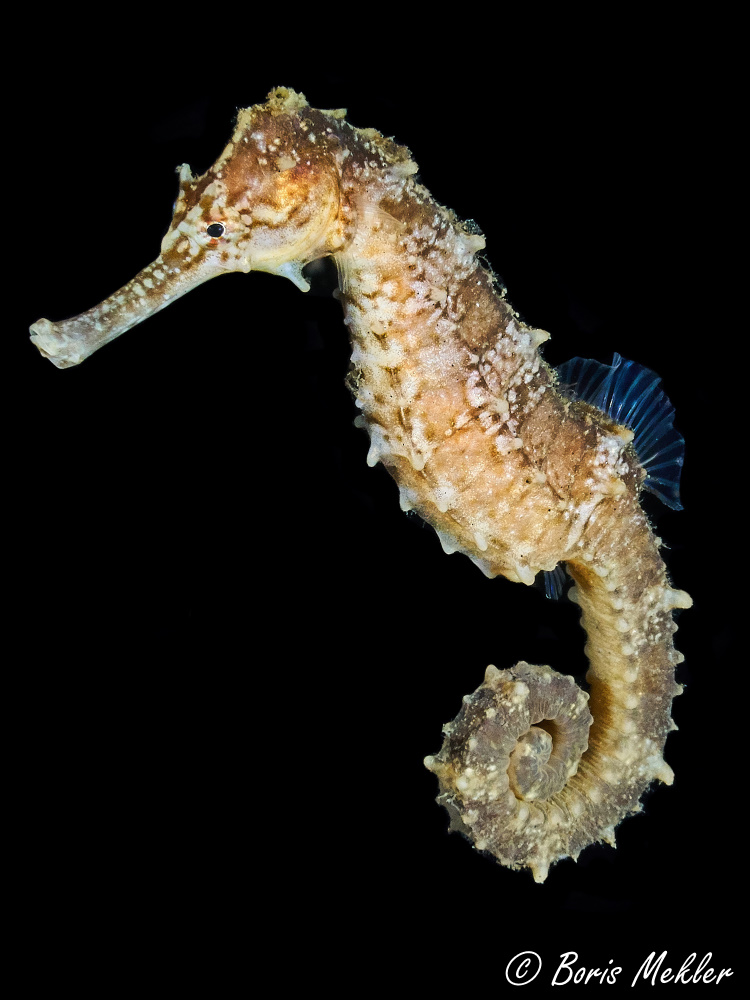
Boris‘ Work
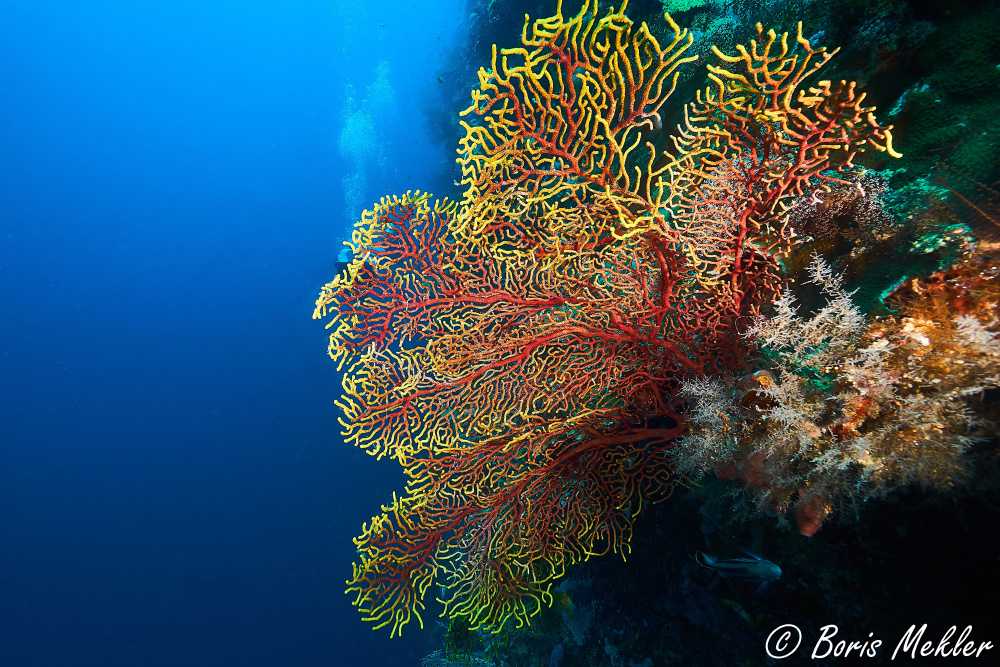
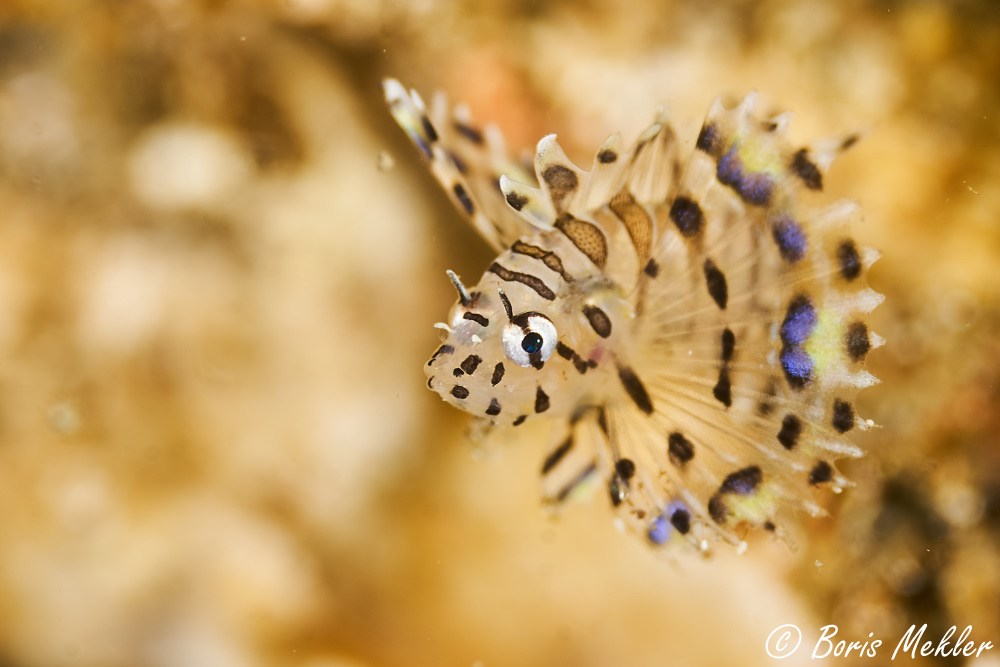




Follow Boris
Instagram: @bmekler
- Featured Underwater Photographer – Becky Kagan Schott – March 20, 2023
- Featured Underwater Photographer – Florian Scarlat – March 13, 2023
- Featured Underwater Photographer – Martin Nobs – March 5, 2023
